 Login
Login
 login / signup














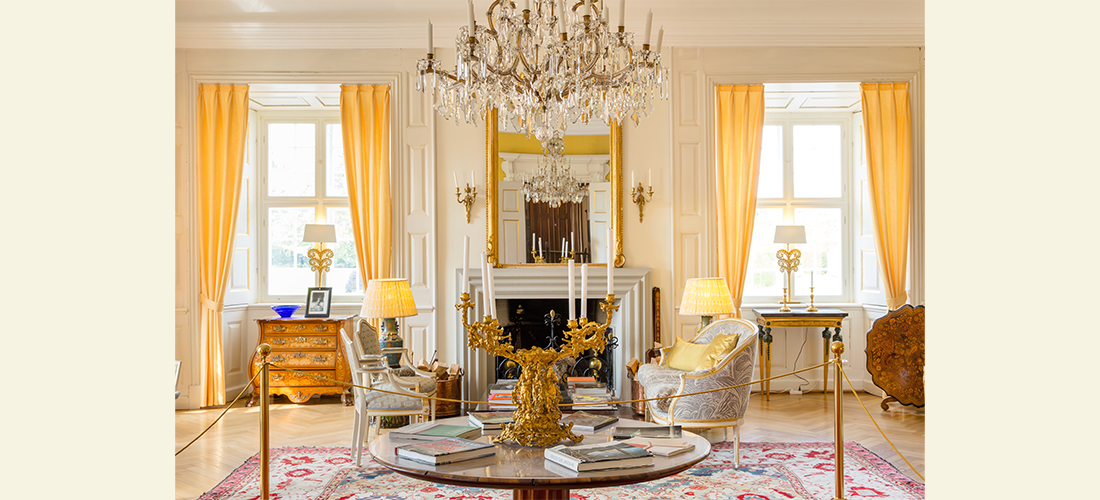
Egeskov Castle floats on a forest. Not metaphorically: thousands of oak piles were driven into a shallow Danish lake in 1554, then layered with logs, clay, and stone to create a foundation that keeps the Renaissance fortress from sinking into the lakebed. The name literally translates to “oak forest,” a nod to the engineering marvel beneath. Here’s the catch: the timber must remain submerged. Drop the water level even slightly, and Europe’s best-preserved Renaissance water castle collapses into the mud.
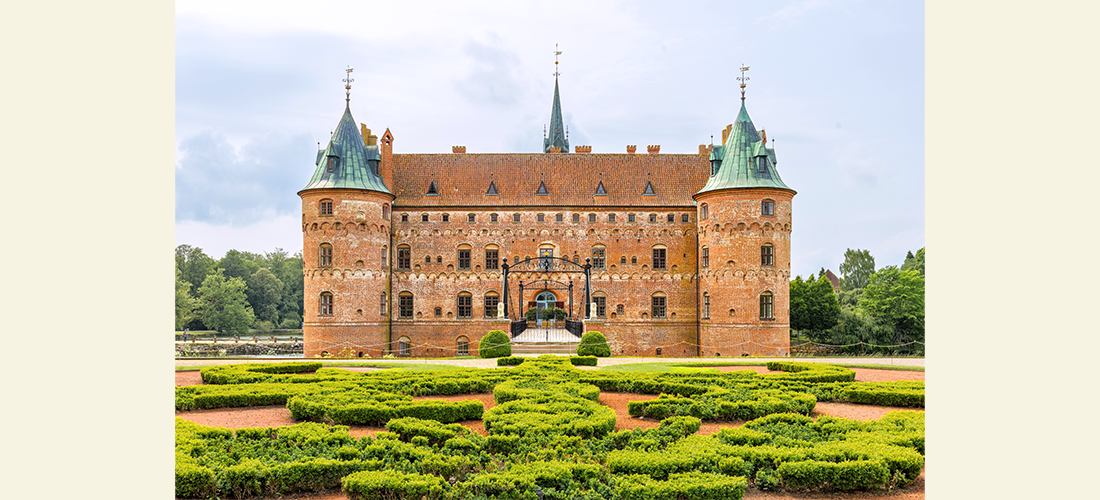
The defensive design was built for maximum paranoia. Two long buildings connected by a thick double wall allowed defenders to shift from one side to the other mid-battle, continuing the fight even if one building fell. The civil unrest and Protestant Reformation made castles like this necessary, and Egeskov delivered.
The family drama, however, rivals any siege. Laurids Brockenhuus (the son of the castle’s original owner) famously locked his daughter Rigborg in a room until his death. Her crime? An illicit relationship with a lieutenant during her time at the royal court. Then there’s the creepy wooden doll in the attic: legend claims the entire castle will slip into the lake on Christmas Eve if it’s ever moved. (No one’s testing that theory.)

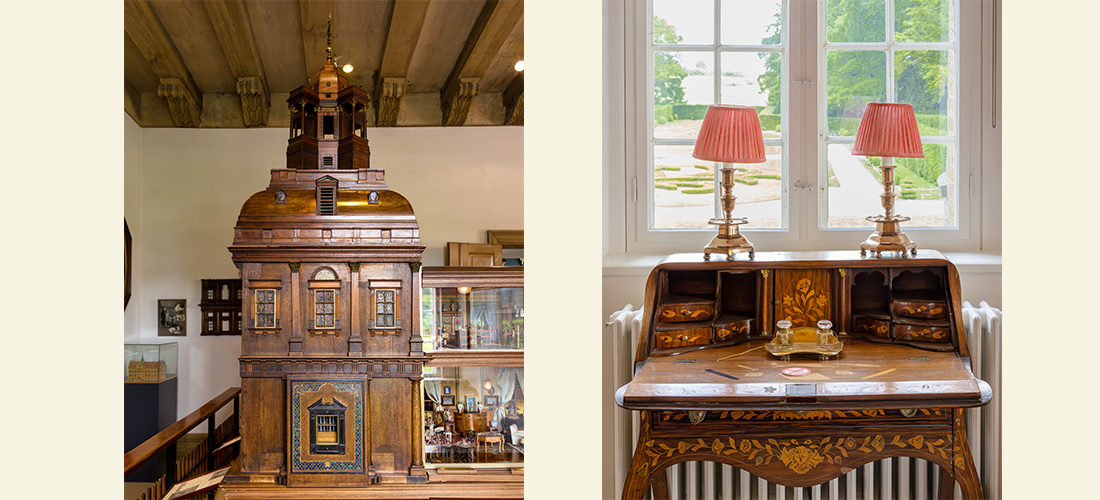
In a delightful twist, the castle also houses Titania’s Palace, a miniature castle commissioned by Sir Nevile Wilkinson after his daughter claimed to see a fairy and suggested elves deserved something nicer than underground caves. The dollhouse, packed with 3,000 parts, was exhibited across the UK in the 1930s to raise funds for charity, then nearly lost to Ireland in a 1978 Christie’s auction before Denmark swooped in.
Today, the estate features the world’s largest bamboo maze and one of Europe’s largest fuchsia gardens. And in 1986, a full-sized replica of Egeskov was built in Hokkaidō, Japan, to hold an aquarium. Because apparently one floating oak-forest castle wasn’t enough.