
 Login
Login
 login / signup



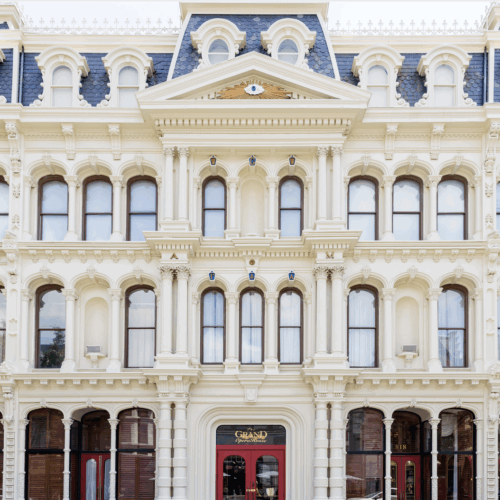











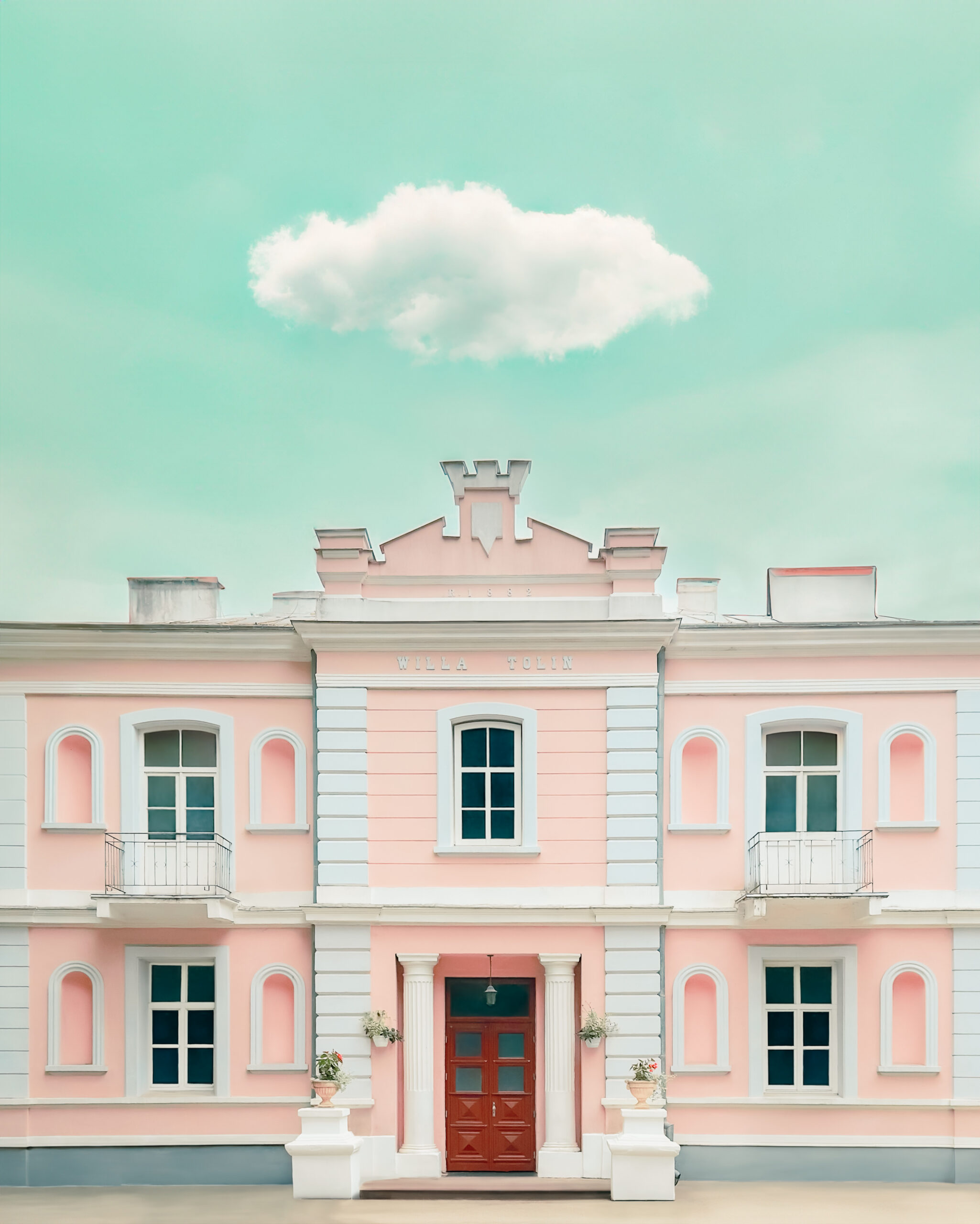


Dr. Józef Talko built his masonry villa in 1883 along Nałęczów’s fashionable Lipowa Avenue, bucking the town’s trend of Swiss-style wooden chalets. While his neighbors erected picturesque timber cottages that groaned romantically in the wind, the ophthalmologist (a man who spent his career examining retinas and co-founding medical societies) chose stone, classical proportions, and palatial permanence. A masonry rebellion that introduced an architectural outlier to a street otherwise devoted to rustic charm. His decision proved prescient: his neighbors’ wooden villas have long since crumbled. Talko’s stands.
The villa promptly caught the eye of Bolesław Prus, Poland’s literary giant and author of the masterwork The Doll, who arrived in Nałęczów in 1882 seeking a cure for agoraphobia and returned every year until 1910. He nearly signed the lease on Villa Tolin, a decision that might have altered the trajectory of Polish positivist literature entirely. He didn’t. Perhaps the solid masonry lacked the romantic decay a novelist wrestling with existential dread requires. Perhaps the doctor’s scientific precision felt too clinical. The reason remains a literary mystery worthy of Prus’s own fiction. He spent those years instead at a villa called “Under the Virgin Mary” (naturally), leaving Talko’s stone fortress to await a more revolutionary tenant.
She arrived in 1905. Faustyna Morzycka (writer, educator, committed troublemaker, born in a government prison in Tambov to parents exiled for insurrection) transformed the elegant drawing rooms into clandestine classrooms. Behind the villa’s symmetrical façade, she taught poor children while amateur theatre performances provided the perfect cover. Cover for the performances, yes, but also for the secret revolutionary meetings happening in the apartment upstairs, and for the literacy primers she smuggled to peasant cottages, and eventually for the escapees from Lublin prison who took refuge there.
The Russian authorities, it turns out, feared nothing more than Polish children learning to read in their own language. Morzycka (who had joined the PPS-Frakcja Rewolucyjna in 1907, taken a bomb-throwing course in Kraków, and participated in an assassination attempt on General Lev Uthoff in 1909) understood this. The villa’s stone walls, chosen a generation earlier for their permanence over timber’s ephemeral charm, proved perfectly suited to concealing exactly that. Her arrest was inevitable. Her legacy as the inspiration for Stefan Żeromski’s novella “Siłaczka” (The Strong Woman) was not. She died by potassium cyanide in 1910, age 45, buried at Rakowicki Cemetery.
Three lives, one address: built by a doctor with a vision for Lipowa Avenue, courted by Poland’s greatest novelist, quietly converted into a fortress of forbidden knowledge. Villa Tolin didn’t just outlast its wooden neighbors. It outlasted empires.
 51.2861639, 22.2219227