
 Login
Login
 login / signup





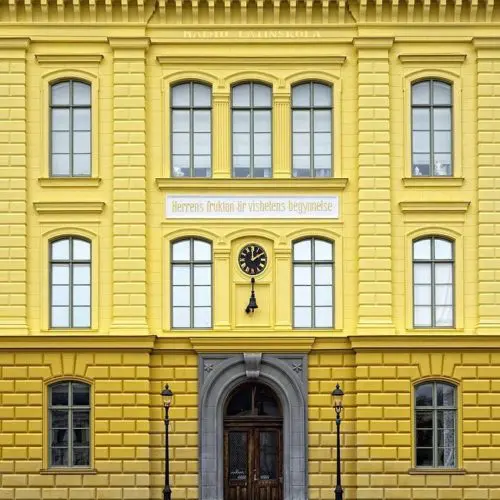










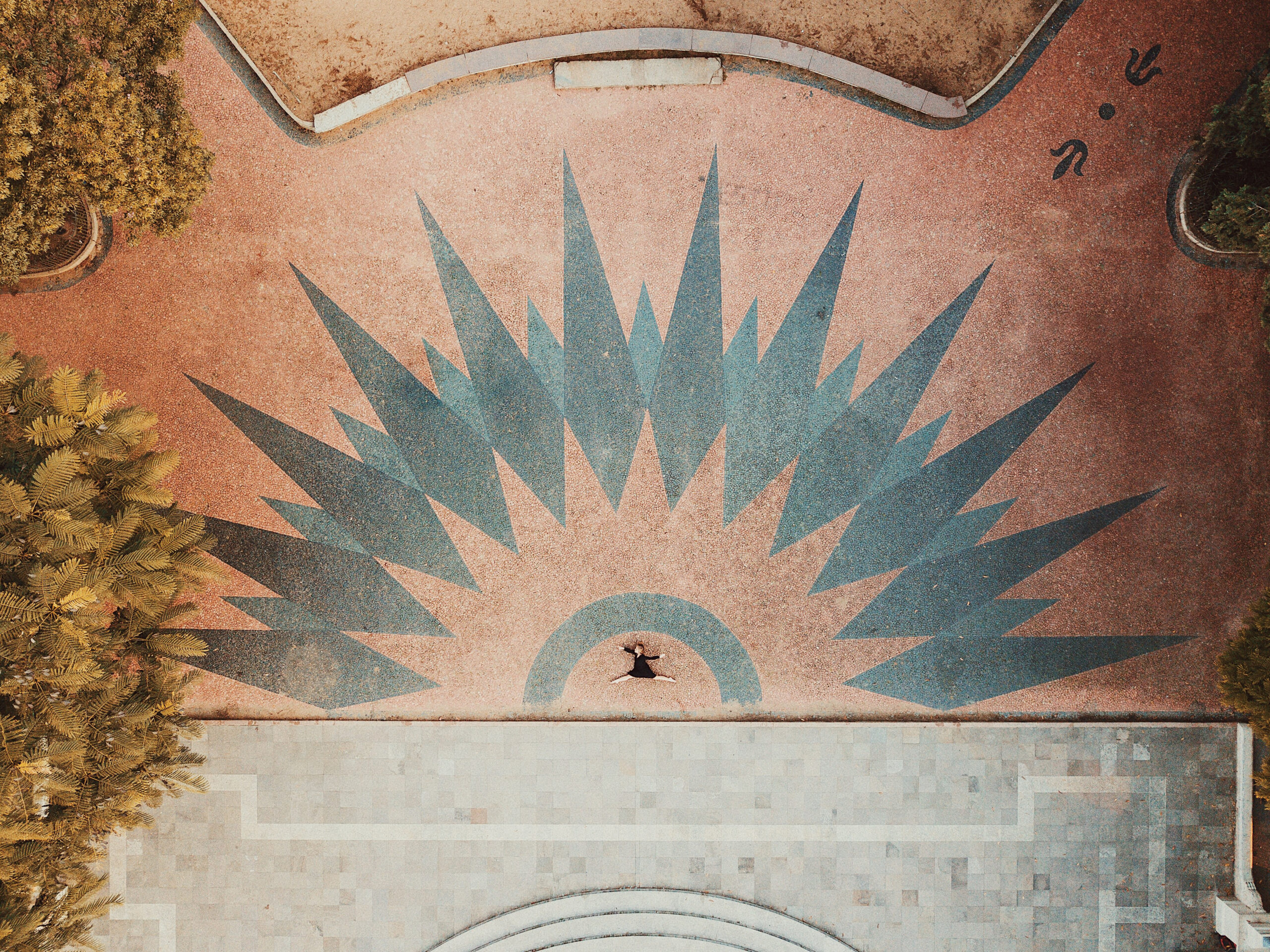


In 1753, this spot began as a cemetery. By 1770, it was known as Alto da Praia. Twenty olive trees from Portugal arrived in the 1880s to shade what had become the political heart of southern Brazil, a square that’s been a parade ground, protest stage, and skateboard park. But look down: the geometric stonework isn’t just decoration. It’s calçada portuguesa, a pavement technique that traces back to Lisbon’s 1755 earthquake rubble, laid stone by stone by calceteiros whose craft is now fading worldwide.
The cemetery gave way to a church, and the church gave the square its name: Praça da Matriz. That name outlasted the Governor’s Palace, which arrived in 1789 and was later rebuilt as the Palácio Piratini, and it outlasted the empire itself. In 1889, a municipal decree renamed the square Praça Marechal Deodoro, after the man who proclaimed the Brazilian republic. Locals never fully adopted the switch. Maps say Marechal Deodoro. Everyone else still says Praça da Matriz, and the city has never bothered to settle the argument.
The Metropolitan Cathedral and the Legislative Assembly collected around the same patch of ground, turning a former burial site into the address where the state’s executive, legislative, and spiritual authorities all face the same lawn. The olive trees and the stonework arrived together in the 1880s landscaping push, giving the square its shade and its floor at the same time. The pavement craft has nearly died out since. Every square that still has it now functions closer to a museum than a sidewalk.
The city renamed the square in 1889. The city, largely, ignored the memo.
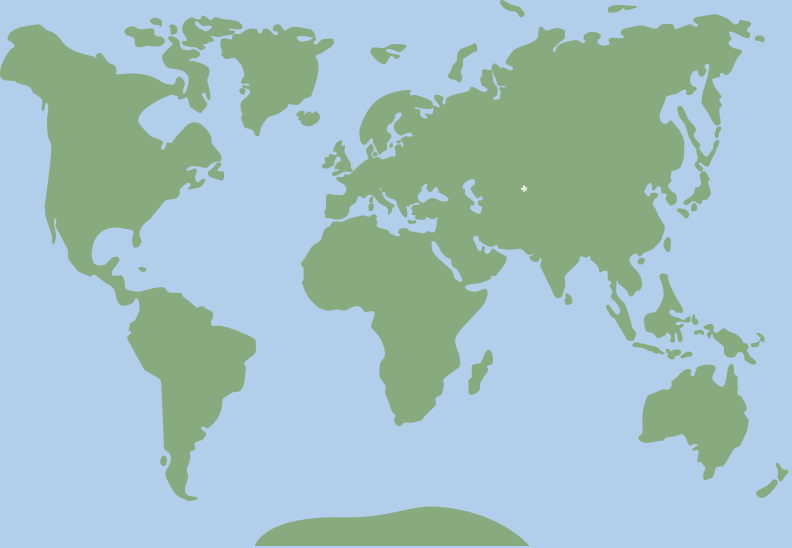 -30.0329758, -51.2301975