 Login
Login
 login / signup


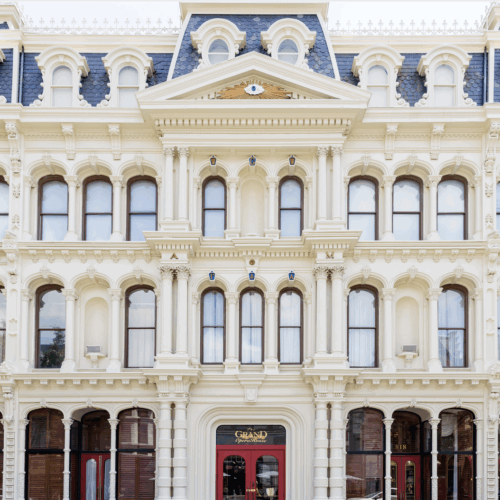


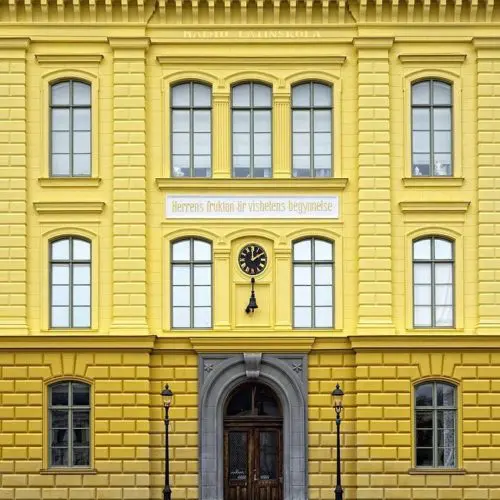








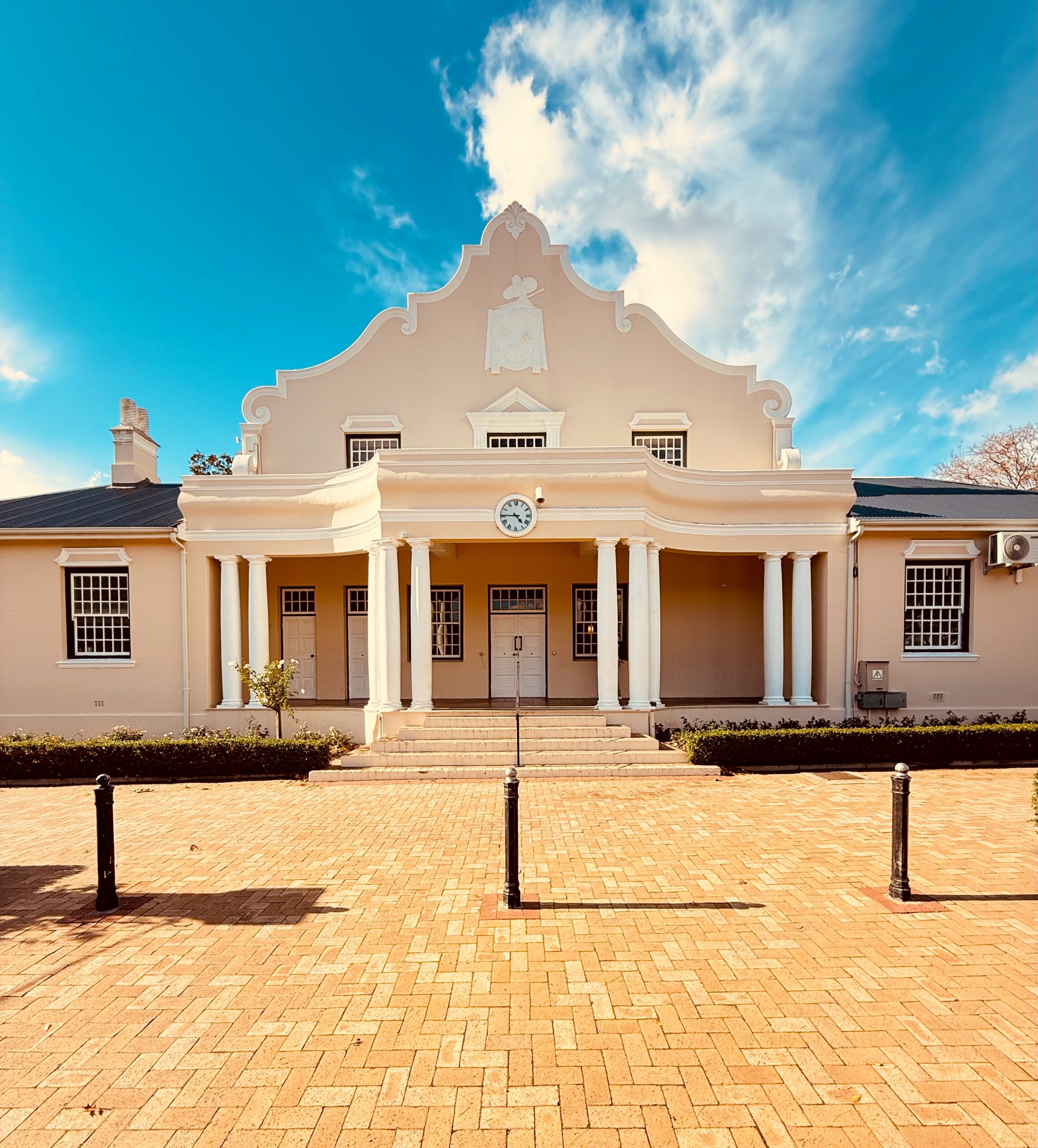


When French Huguenots arrived in 1688 at a valley called Olifantshoek, Elephant’s Corner, they found paths worn smooth by generations of elephant cows who’d crossed mountain passes to calve in this sheltered basin. The refugees renamed it Franschhoek and planted vineyards where pachyderms once roamed. By 1935, when the Town Hall rose in Cape Dutch Revival style, the last wild elephant had been killed, but the architectural gable still nods to both the Dutch farmers who first settled the valley and the French winemakers who transformed it into South Africa’s gourmet capital.
The building’s reach now extends past the valley itself. Franschhoek Cellar bottles a Chardonnay called “Our Town Hall,” putting the gable on labels that ship well beyond the Cape, a small civic monument doing double duty as a marketing asset. It fits a town that has always treated heritage as something to be lived in rather than roped off: Huguenot relics and monuments are scattered across the valley much the way the farms once were, each one a fragment of a persecuted community that, having lost its homeland, built a replacement good enough to eventually be bottled and sold.
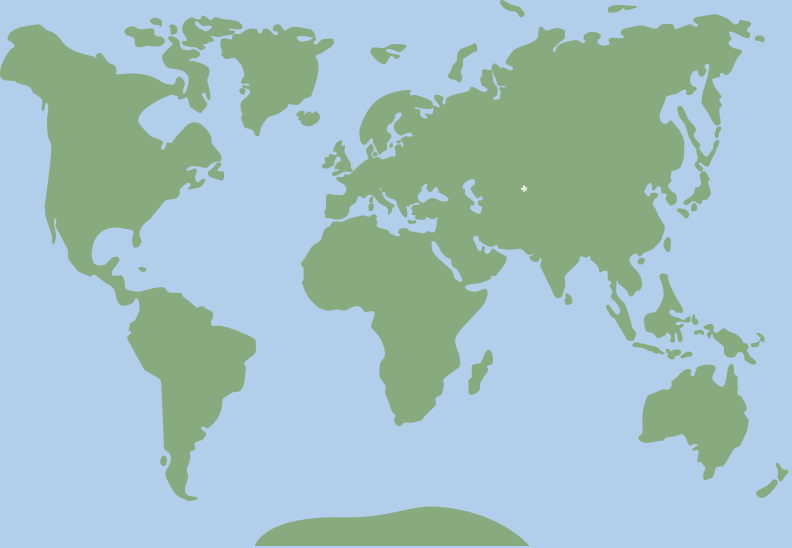 -33.9102232, 19.11963