 Login
Login
 login / signup













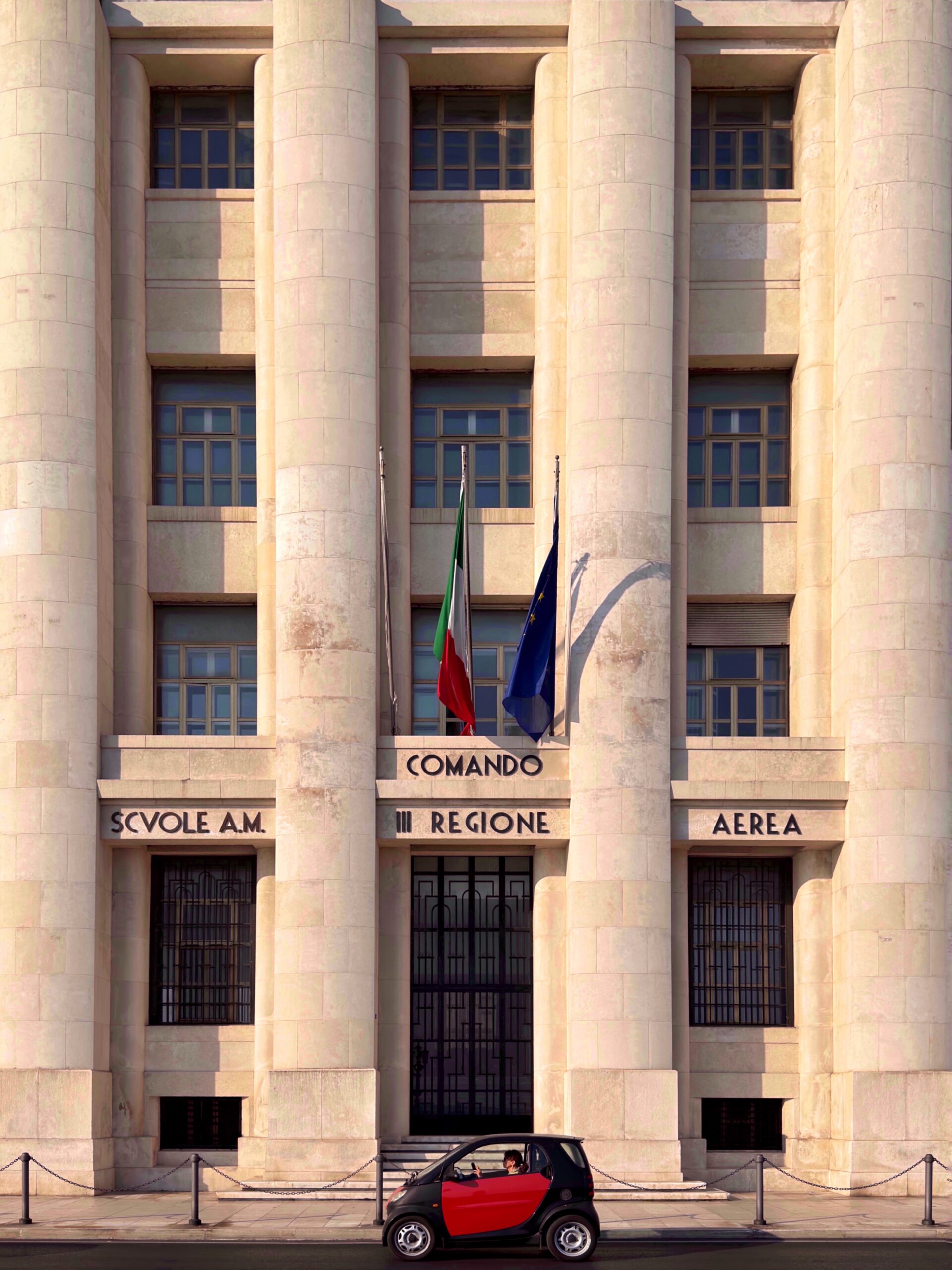


When Italy split in two during WWII, Bari became the unlikely headquarters for the Carabinieri Command for Liberated Italy, mobilizing units to fight alongside Allied forces while their northern counterparts were disbanded by Nazi Germany. The force that had arrested Mussolini months earlier now coordinated resistance from this Adriatic port city. Today’s regional command still occupies the historic Caserma Bergia on Lungomare Nazario Sauro, where over 110,000 Carabinieri continue a 210 year tradition of serving as Italy’s “First Force.”
The Caserma Bergia itself was built between 1932 and 1936, a stern fascist era fortress of Trani stone with cylindrical towers flanking three seafront entrances, which makes it a curious choice of building to later host the resistance against the regime that commissioned it. When German forces were driven from Bari in September 1943, the barracks became command headquarters for Puglia, Basilicata, and Calabria, then in November was upgraded to run the entire Carabinieri organization until Rome was liberated the following June. The building is named for Captain Chiaffredo Bergia, a nineteenth century officer once celebrated for hunting bandits through the hills of Abruzzo, a legacy that turned out to be excellent preparation, architecturally speaking, for housing an institution that spent its history outlasting whoever happened to be in charge of the country around it.
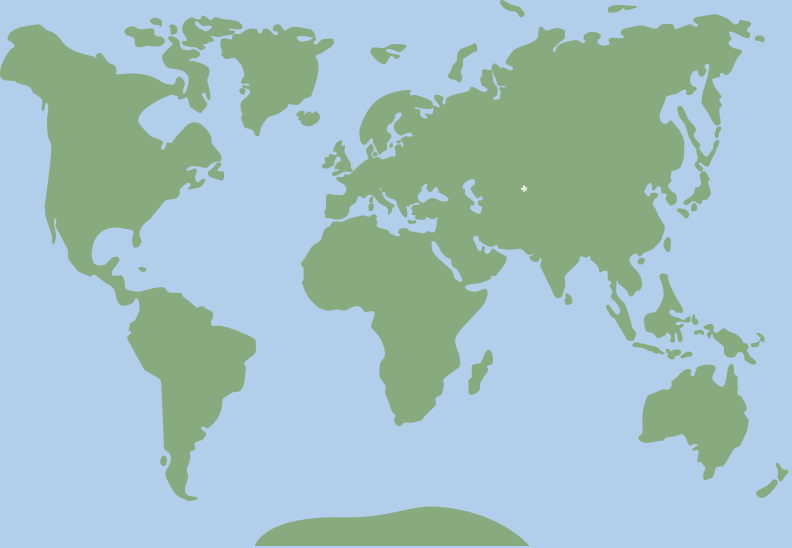 41.1171432, 16.8718715