
 Login
Login
 login / signup












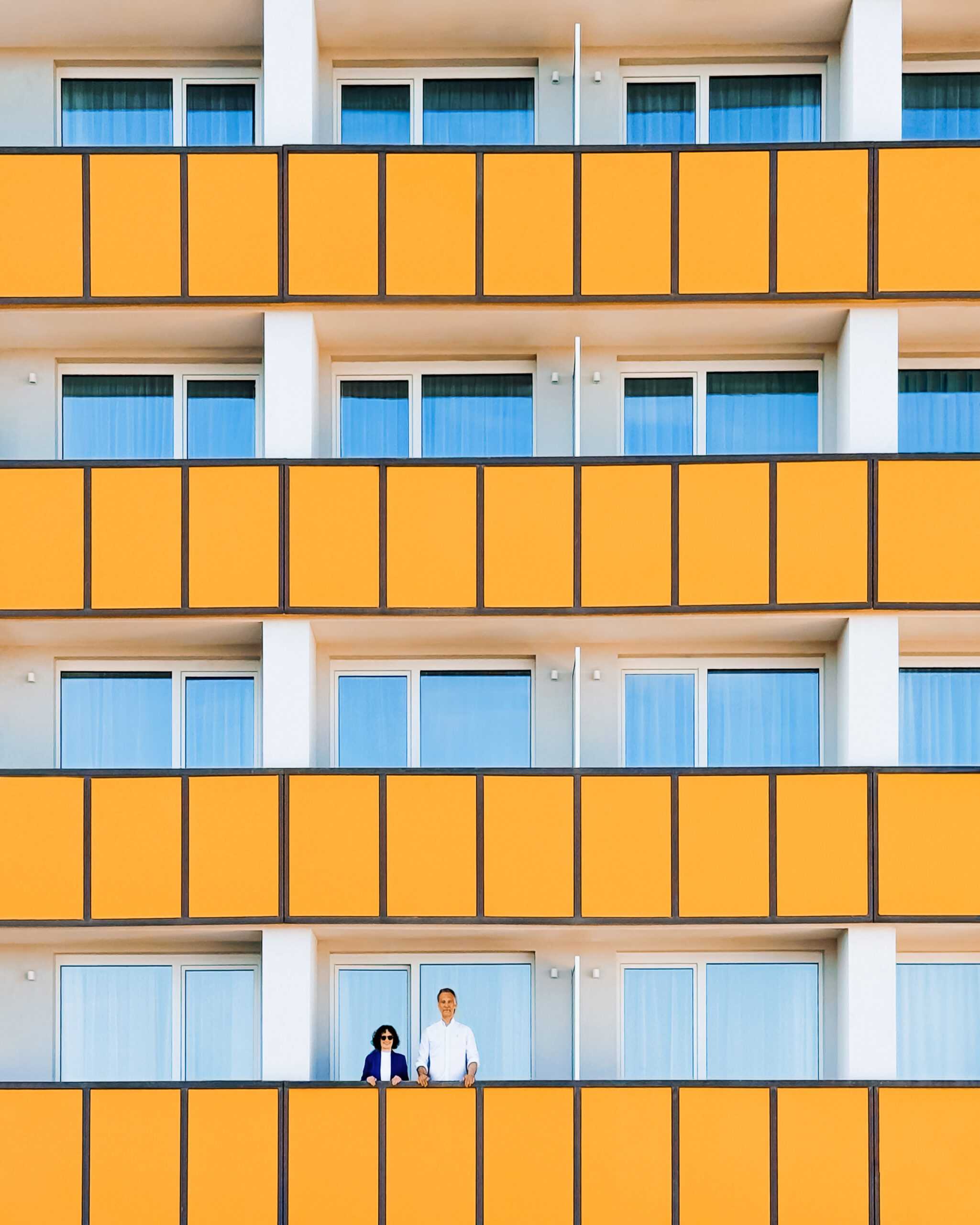


Poland’s only exclusively cardiac-focused spa town has a microclimate so potent it automatically lowers blood pressure, a quirk of loess soils, river valleys, and mineral springs that’s been drawing heart patients since 1878. Today, one of its most distinctive landmarks is a building begun in 1983 as a Civic Militia sanatorium that never actually opened for its intended purpose, abandoned as an unfinished concrete shell for decades before being completed and reborn as Arche Nałęczów in 2024, preserving its brutalist bones while trading a rest cure that never happened for one people actually choose. The transformation mirrors Nałęczów itself: a place where healing waters discovered in 1817 still bubble up in the spa park, now bottled as Nałęczowianka and sold worldwide.
The town earned its reputation as something more than a water source. Designed deliberately as a “miasto-ogród,” a garden town where architecture yields to landscape, it drew Poland’s literary elite by the turn of the 20th century: Bolesław Prus first came in 1882 to treat agoraphobia and kept returning for 28 summers, writing “Lalka” and “Placówka” during his stays, while Stefan Żeromski built his own summer studio there with royalties from “Popioły” and finished “Dzieje grzechu” on-site. Both now have dedicated museums in town, alongside the spa park and the concrete hotel that took forty years to open, three very different monuments to the same idea that rest, eventually, gets its due.
 51.2916397, 22.2119516