 Login
Login
 login / signup













São Paulo gave itself a birthday present in 1971: a 3.4-kilometer concrete monstrosity built in just eleven months by almost a thousand workers toiling 16 hours a day. Originally named Elevado Presidente Costa e Silva after the army general and Brazilian president in power when the project was announced, the highway was inaugurated on January 25th AKA the city’s founding day. The project was announced as the “largest work in reinforced concrete in all of Latin America.” The nickname “Minhocão” (also known as Big Worm) came from its serpentine form winding through dense neighborhoods.
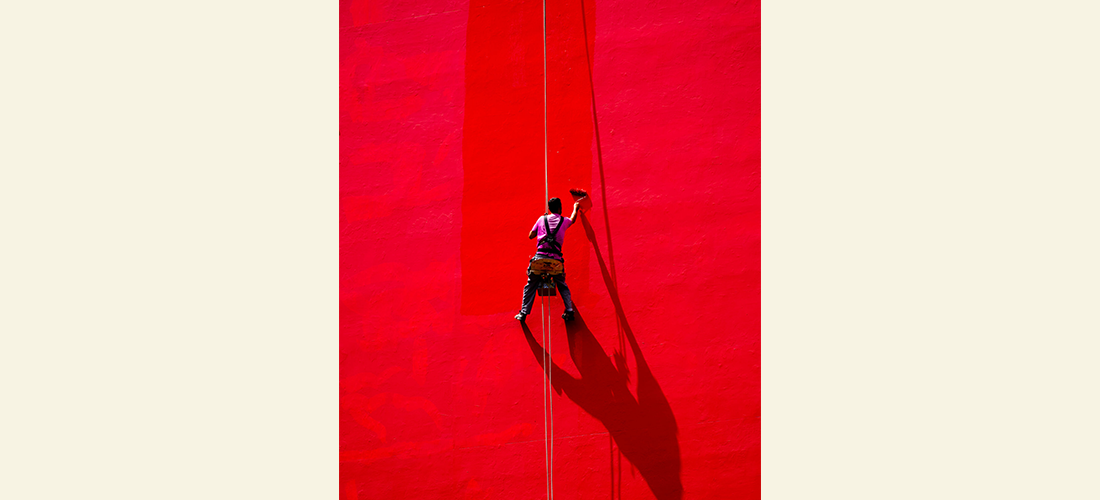
📸: Rafa Rojas
In 1976, the municipal administration decided to close the highway to automobile traffic on Sundays and holidays. The roadbed passes within 5 meters of apartment windows in many places, bringing constant noise and disturbance to residents. It was controversial from the start, and widely held responsible for the decline of the city’s historic center in the 1970s and 1980s. The structure, passing just five meters from windows, brought noise and air pollution and immediate property devaluation to neighborhoods in the area.
The decisive milestone occurred in 1989, when then mayor Luiza Erundina determined the closure of the elevated road on Sundays and holidays, creating the “embryo” of the park. Something unexpected happened: people claimed it. The highway is now closed to car traffic between 20:00 and 07:00 on weekdays and all day on Saturdays/Sundays, allowing dedicated use by pedestrians and cyclists. While closed to traffic, it welcomes joggers, dog-walkers, spliff-smoking skaters, sun-bathers and cyclists, who temporarily occupy its entire length.
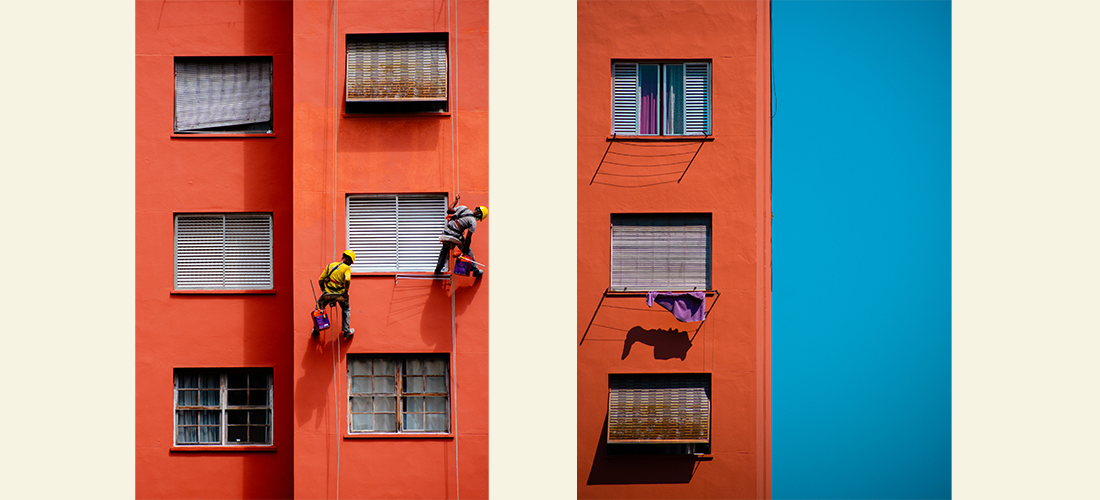
📸: Rafa Rojas
The blind gables (side walls of buildings) became a monumental open-air urban art gallery, with murals by renowned artists such as Kobra. The most powerful resignification occurred in 2016, when the official name changed from Elevado Costa e Silva (the dictator) to Elevado Presidente João Goulart (the president deposed by the coup), transforming a symbol of authoritarianism into a landmark of the struggle for democracy. It’s now described as “the most democratic space in São Paulo.”