Login
 login / signup












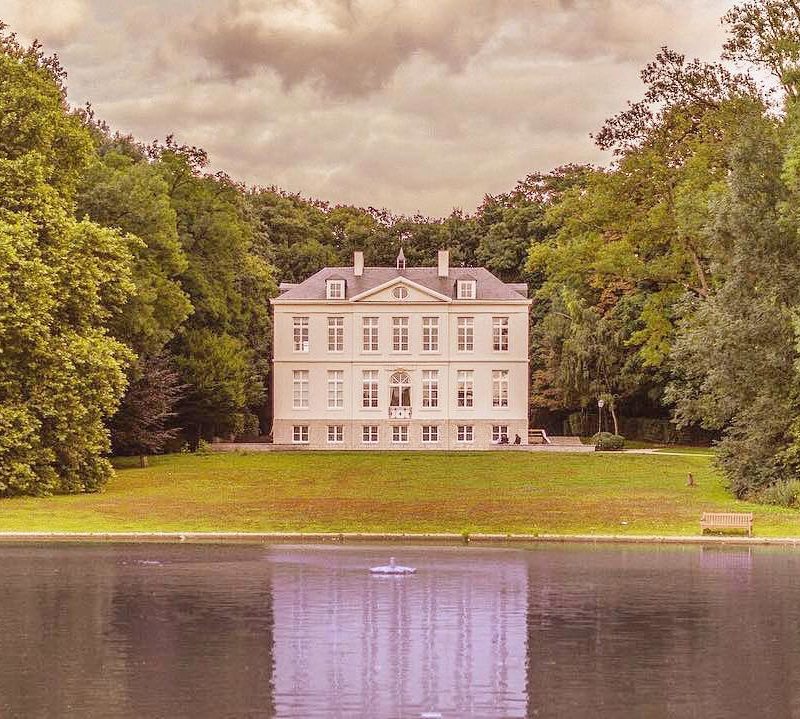

Woluwe-Saint-Lambert, Belgium
Chateau Malou
Although nestled in a serene setting, the Chateau Malou holds a harried past.






Gent, Belgium | C.1489

When the imperial army of Frederick III and his son Maximilian of Austria laid siege to Ghent in 1488, the 40-day campaign still ended in retreat. The city’s response? Fortify the sluice near where the army had camped with a pair of monumental towers. The structure’s name, rabot, likely comes from the French rabattre, ‘to lower,’ perhaps after the planks lowered into the water to hold it back. The Rabot regulated the level of the Lieve canal and could close the waterway to traffic, turning a piece of medieval plumbing into a monument of defiance that still stands where the Lieve meets the city moat.
The first stone was laid on June 13, 1489, and the work was finished in 1491: two thick round towers of Balegem stone joined by a stepped-gable building that hangs over the water, topped with weather vanes said to bear the arms of Ghent and Flanders. On the outside of the main building, an inscription carved in two blue stones still recounts the 1488 siege in rhyming Middle Dutch. Ghent’s celebration was short-lived. After Maximilian finally gained the upper hand in 1492, he ordered the city to tear down the towers and use the stones to build a fortress at the Prinsenhof. The city refused and talked the punishment down to a heavy fine. Under Dutch rule the building served partly as a gunpowder store and as the office and home of the official who collected fees and watched over the moat. The Lieve was closed off in 1872 and the sluice has not worked since. Ghent paid the fine. The towers are still there.
Partner


Although nestled in a serene setting, the Chateau Malou holds a harried past.
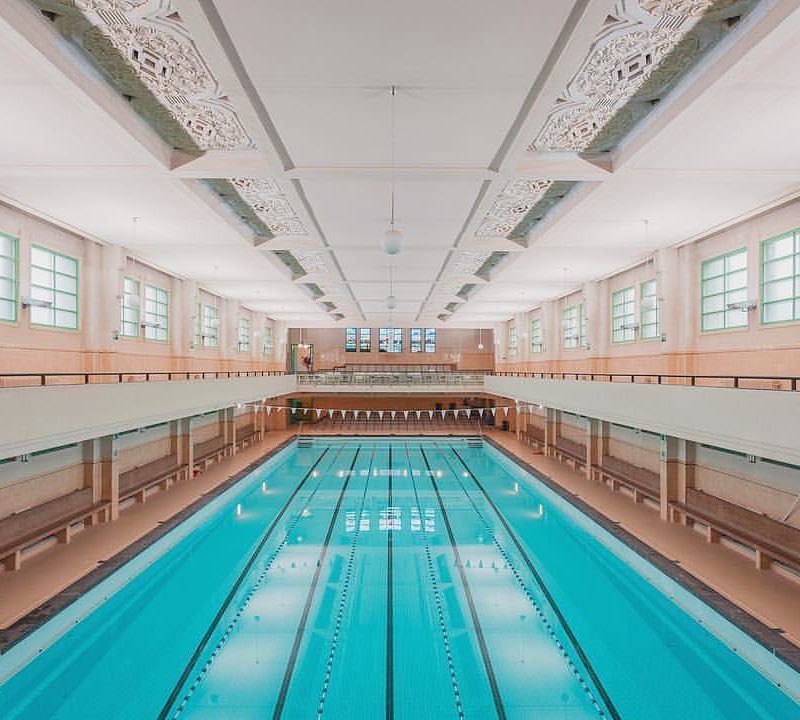
This swimming pool is the oldest of its kind in Antwerp, Belgium, but was considered a modern marvel when it was built in the 1930s.
Built in 1886, the Van Eyck is the oldest covered swimming pool in the region of Flanders.
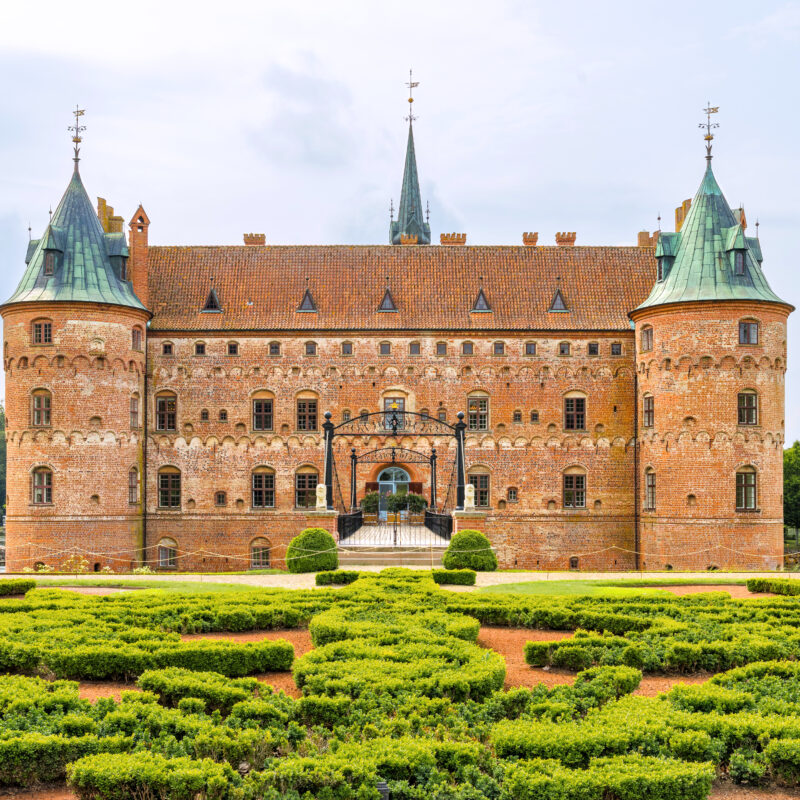
This floating castle appears to be from an enchanted fable, but in actuality it is Europe's best preserved Renaissance water castle.
AWA visted here
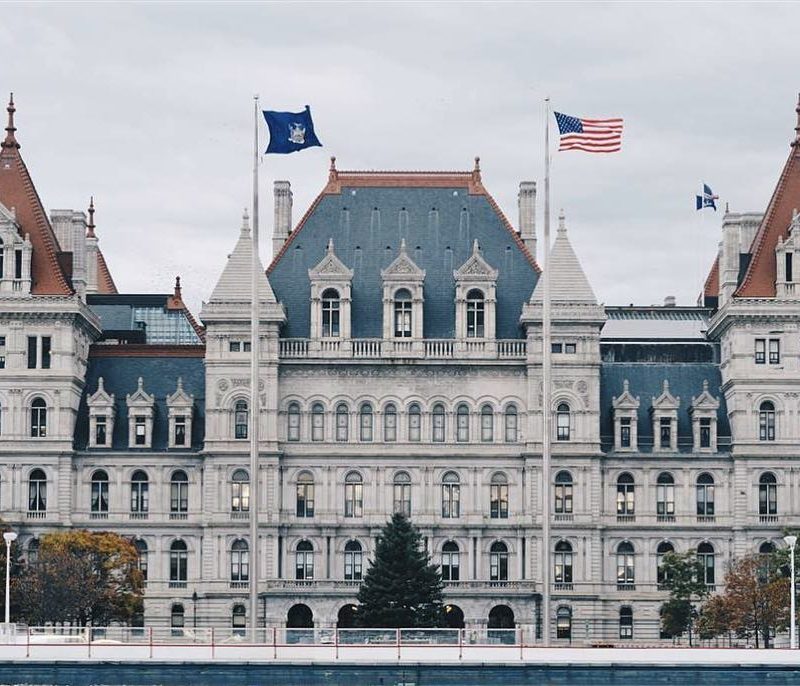
This state capitol building, constructed by three architects in different styles, still stands today thanks to an exterior staircase supporting the Eastern façade.
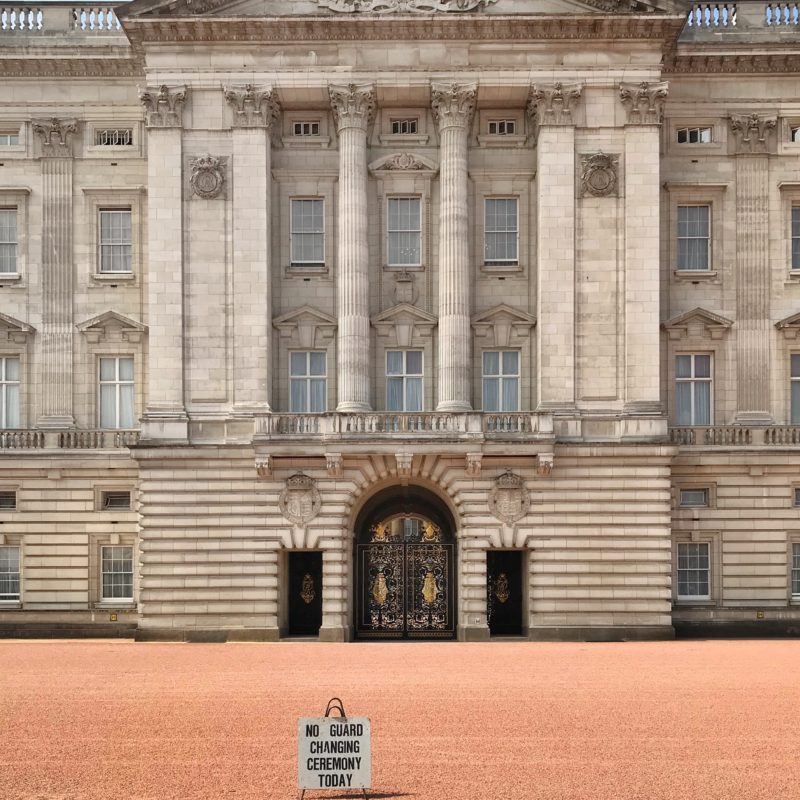
This fixture of British culture was nearly destroyed in World War II after five German bombs were dropped on the palace on Friday the 13th, 1940.
From the CommunityMax file size is 40MB. JPEGs are preferred.
You do not have permission to view this form.