

 Login
 login / signup














Most architects would balk at building a 320-foot cathedral without blueprints. The Cao Dai faithful in 1930s Vietnam had a different consultant: God himself, who transmitted every measurement through séances and spirit-writing sessions. Construction ran roughly sixteen years, accounts of the exact span vary, with volunteers building the Great Divine Temple based solely on nightly divine instructions received via planchette, no drawings, no professional architects. The result? A fantasia where dragon-wrapped bamboo pillars support an 11-foot eyeball gazing from a cosmic sphere, and Victor Hugo shares sainthood with Joan of Arc and Charlie Chaplin.
Caodaism itself was born the same way, in a string of séances held in and around Saigon between 1920 and 1926, when a group of Vietnamese civil servants began receiving messages from a god they called Cao Dai, the same being who would later dictate the shape of his own cathedral down to the dragon coils on its pillars. Four times a day, at 6, noon, 6 again, and midnight, the temple fills with chanting and colored robes: yellow for Buddhism, blue for Taoism, red for Confucianism. It is, by any reasonable architectural standard, a building that should not exist. It exists anyway, exactly as specified by a god with very particular taste.
Create an account to comment! Login/Sign Up.

Partner


AWA Sites Nearby


Ho Chi Minh City, Vietnam
Independence Palace
This palace was the site of the Fall of Saigon, and is depicted on the 200-ng note.

Ho Chi Minh City, Vietnam
Tan Dinh Church
Considered one of the most beautifully architected churches in Ho Chi Minh City, this church is styled in a combination of Gothic, Roman, and Baroque design.
More Places Tagged: Architectural Wonders See All >
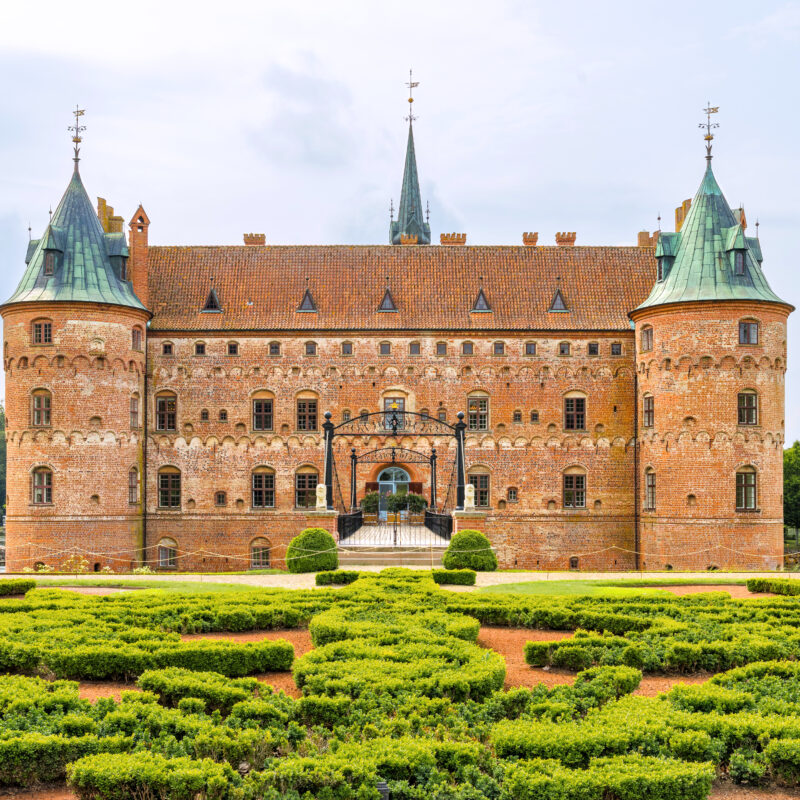
Funen, Denmark
Egeskov Castle
This floating castle appears to be from an enchanted fable, but in actuality it is Europe's best preserved Renaissance water castle.
AWA visted here
Presented with
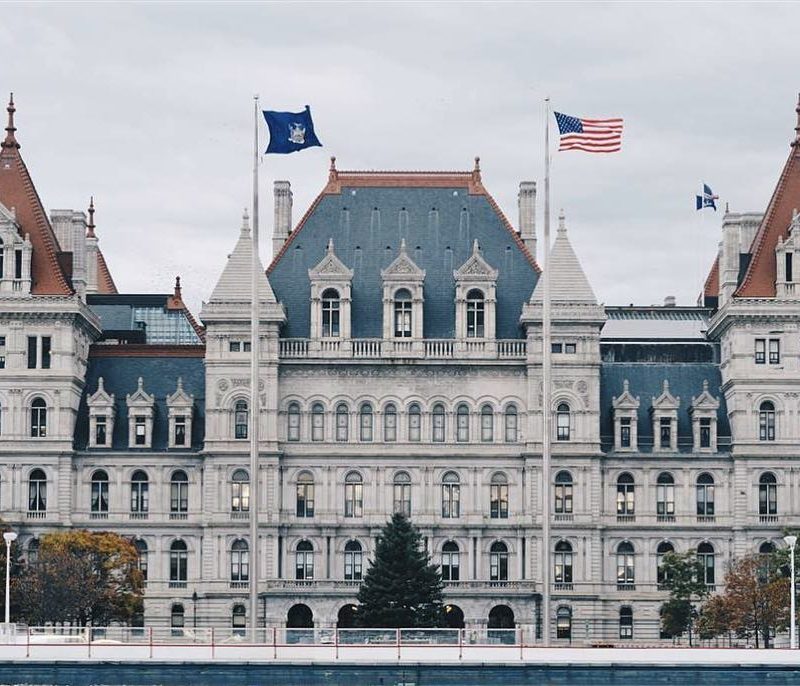
Albany, New York, United States
New York State Capitol
This state capitol building, constructed by three architects in different styles, still stands today thanks to an exterior staircase supporting the Eastern façade.
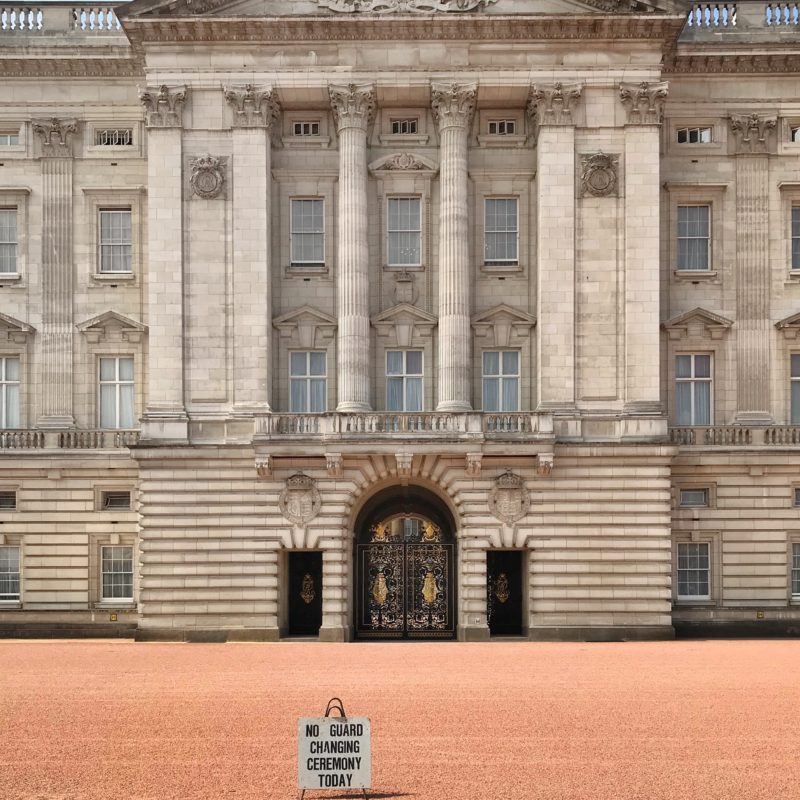
London, United Kingdom
Buckingham Palace
This fixture of British culture was nearly destroyed in World War II after five German bombs were dropped on the palace on Friday the 13th, 1940.
From the CommunityAdd an image to The Great Divine Temple
- Tips for photos
-
- The image must be created by you
- Subject is symmetrically aligned, and a dash of color never hurts.
- The place shown has some sort of historical significance
- FAQs
Max file size is 40MB. JPEGs are preferred.
You do not have permission to view this form.You did it! 🎉
Got it!Log in
or