Login
 login / signup











Lyon, France
Les Puces du Canal
Les Puces du Canal is France's second largest flea market, hosting more than a half a million visitors a year.
From the Community




Lyon, France | C.1653

When Lyon’s merchants and money changers needed a permanent home for their financial dealings, they got the Loge du Change. The first building was constructed between 1631 and 1653, but it soon proved too small for the city’s booming trade. In 1748, architect Jacques-Germain Soufflot was commissioned to redesign it, adding a fifth arch and another level to create the more imposing structure that stands today. The building served as Lyon’s exchange until the French Revolution, when commercial activity ceased and the Loge was closed. It briefly became an inn around 1800 before the city assigned it to Lyon’s Protestant community in 1803. Its transformation from financial hub to place of worship was complete.
The building’s second life brought further changes. A gallery was added in 1822 to accommodate the organ and congregation, and the worship space was expanded in 1856. Its architectural character is a blend of Italian Baroque influence and Neoclassical design, with a distinctive façade overlooking Place du Change. Even its clocks have a story: in 1999, the city installed a second clock that Soufflot had originally envisioned but never managed to build. Today, the Temple du Change remains an active Protestant place of worship, a rather fitting reuse for a building designed to bring people together, even if the currency being exchanged has changed.
Partner


Les Puces du Canal is France's second largest flea market, hosting more than a half a million visitors a year.
From the CommunitySince 1995, this family-run English pub has been serving pints on a cobbled street in Lyon's Renaissance quarter, whose name may have an ass-related past.
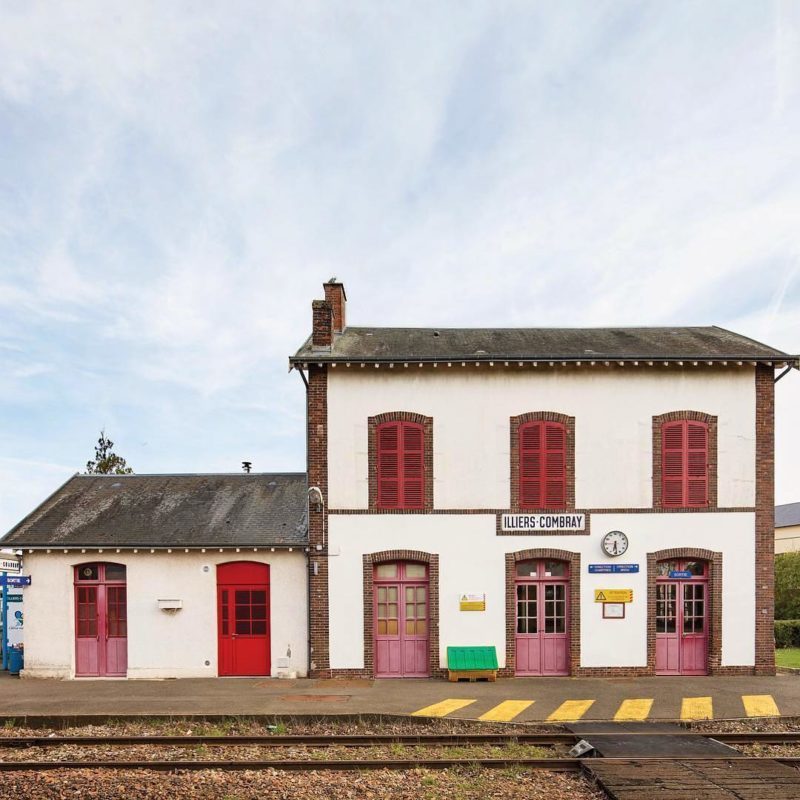
From the CommunityThis French train station is located in a town renamed after the famed writer Marcel Proust's fictional name for the village.
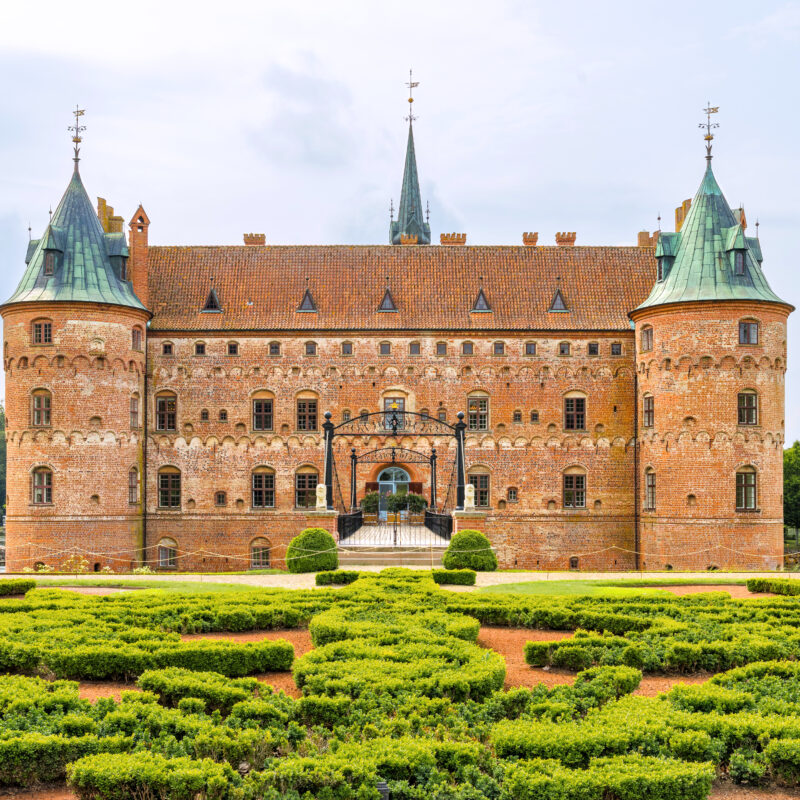
This floating castle appears to be from an enchanted fable, but in actuality it is Europe's best preserved Renaissance water castle.
AWA visted here
This resilient theater has weathered two destructive fires, and continues to be one of the most important cultural centers throughout Spain.
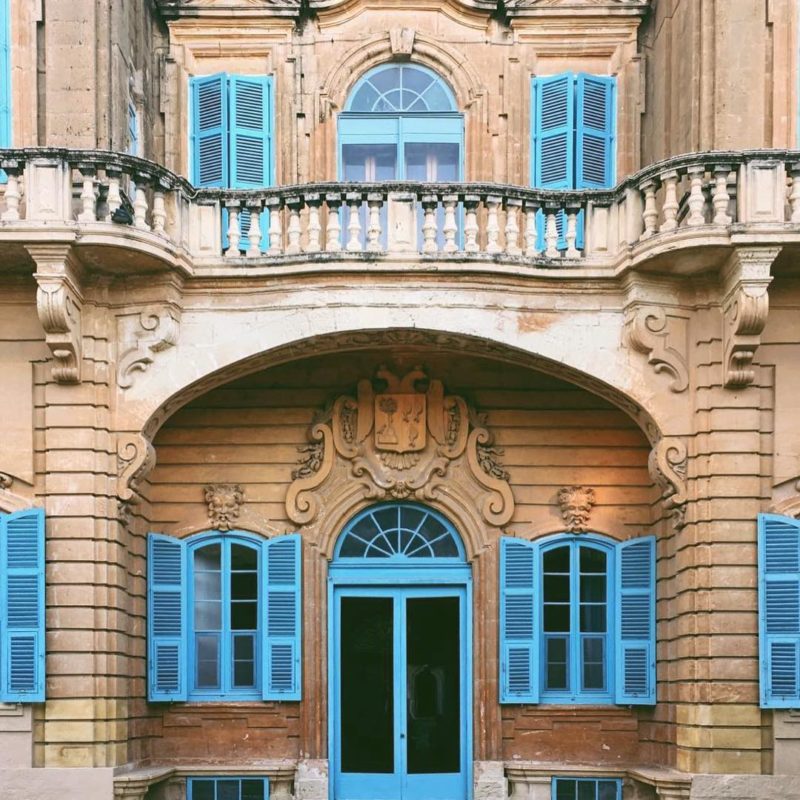
Uditore Fabrizio Grech would say this 1745 country house was built for his daughter, but it was in fact constructed to silence critics of his wealth.
Max file size is 40MB. JPEGs are preferred.
You do not have permission to view this form.