Login
 login / signup













Como, Italy
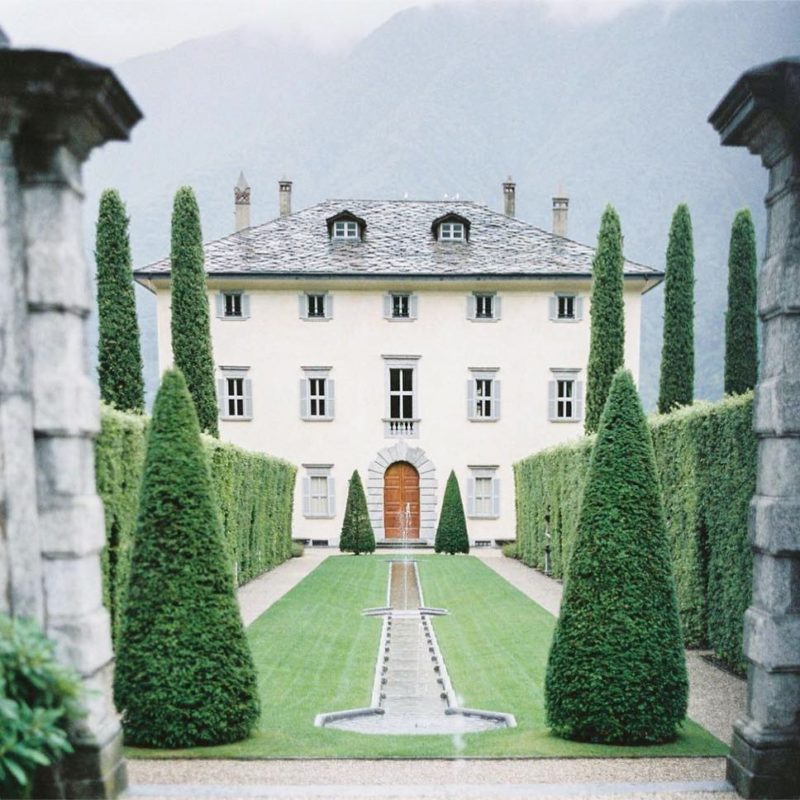
Villa Sola Cabiati
This 16th century villa belonged to one family for hundreds of years, and once hosted Napoleon.




Scilla, Italy

In 493 B.C., Anaxilas of Reggio built a fortress on Scilla’s rocky headland for one purpose: to crush Tyrrhenian pirates who’d made the strait their stronghold. For over two millennia, the castle controlled passage through one of Europe’s trickiest channels. Then, on February 6, 1783, an earthquake struck. Terrified residents fled to Marina Grande beach, where an aftershock triggered a rockslide that sent 5 million cubic meters into the sea. The resulting tsunami killed 1,500 people in under a minute, making it Italy’s deadliest. Today, fishermen in Chianalea still hunt swordfish using 25-meter masts and passarella bridges, a tradition nearly as old as the castle itself.
The Ruffo family didn’t buy the fortress until 1533, when Count Paolo Ruffo of Sinopoli purchased it and traded battlements for a baronial residence, hanging the family crest over the gate on a promontory that had already changed hands among Etruscans, Greeks, Romans, and Normans for the better part of two thousand years. They held it for 275 years, respectable enough until measured against everything the headland had already survived. The crown reclaimed the property in 1808. Earthquakes flattened parts of it again in 1783 and 1908. By the 1970s, the fortress that once repelled pirates and outlasted a Norman siege was booking beds as a youth hostel. The Ruffo name stayed carved over the entrance regardless, a modest footnote on a rock that has been fought over since before Rome existed.
Partner


This 16th century villa belonged to one family for hundreds of years, and once hosted Napoleon.
This historic coffee house in Trieste, Italy has been serving traditional Viennese coffee since 1839.
Once home to papal Cardinals, this picturesque villa looks out onto the calm waters of Lake Como, Italy.
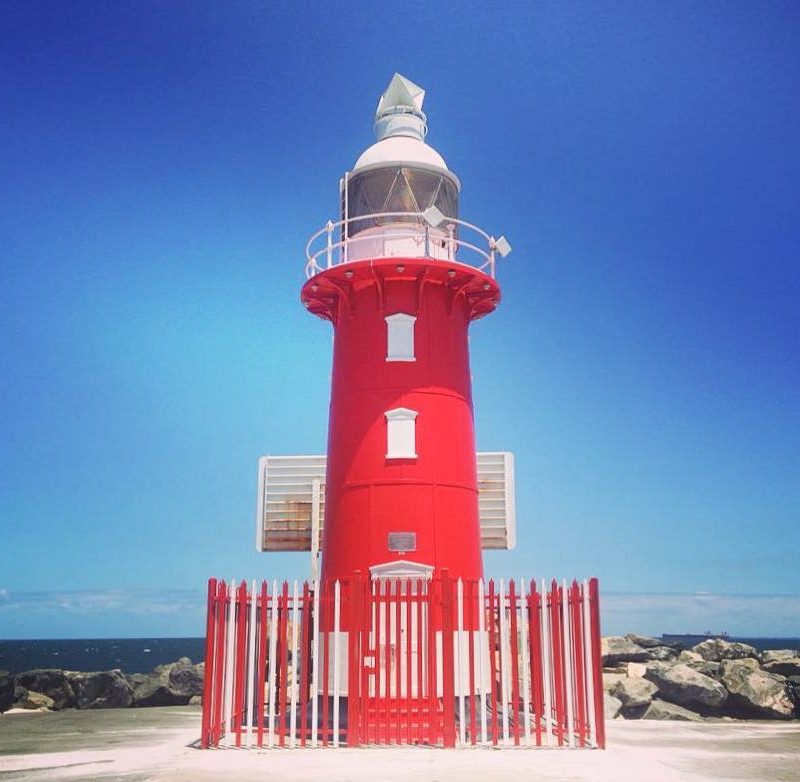
The North Mole Lighthouse is one of a pair of "twin" lighthouses found at the entrance to Fremantle Harbour in Western Australia.
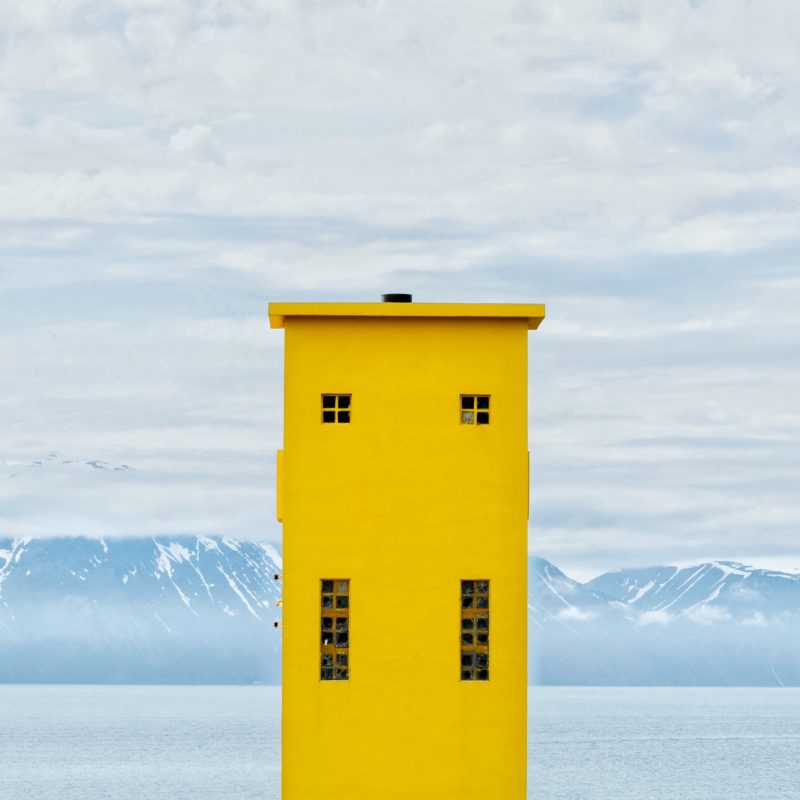
This semicircular-cylindrical light house guards a fishing village in Iceland.
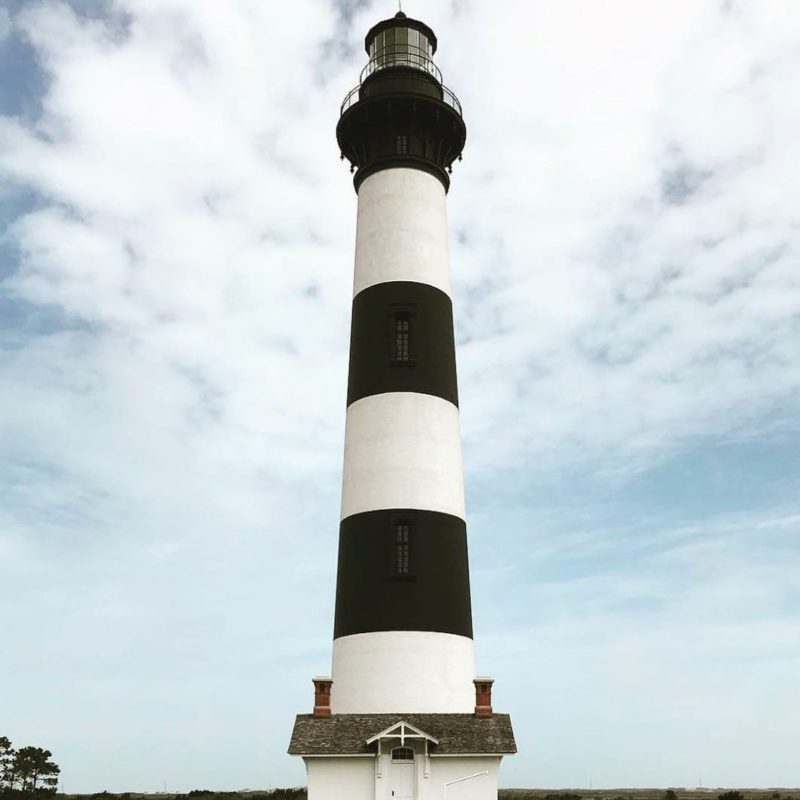
The 170-foot structure is one of only a dozen remaining tall, brick tower lighthouses in the United States.
AWA visted hereMax file size is 40MB. JPEGs are preferred.
You do not have permission to view this form.