Login
 login / signup








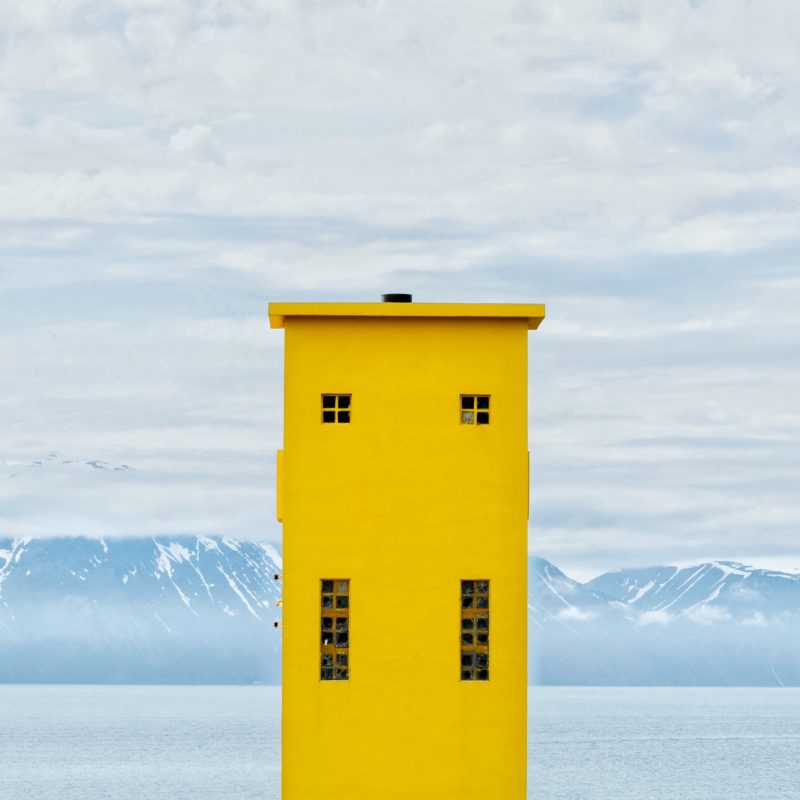

Husavik, Iceland
Húsavik Light
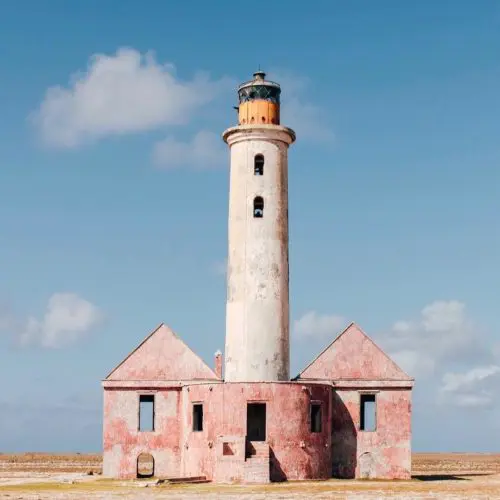
This semicircular-cylindrical light house guards a fishing village in Iceland.






Grjotnes, Iceland

A century ago, farming families on Iceland’s Melrakkaslétta Peninsula survived in a landscape shaped by wind, water, and rugged volcanic cliffs. At Rauðinúpur Cape, two basalt sea stacks, Karlinn and Sölvanöf, rise dramatically from the Greenland Sea. Today, Karlinn hosts Iceland’s northernmost gannet colony, while the surrounding cliffs provide nesting grounds for other seabirds. The peninsula has grown quieter over the decades: the last farmer to abandon a property in the area left Hrauntangi in 1943. According to local legend, the stacks were once a giant and a witch who fed on whales and set out one foggy night to destroy nearby villages. They misjudged the Arctic dawn, however, and were turned to stone before they could complete their mischief.
Adding a splash of color to this otherwise stark coastline, the orange Rauðinúpur lighthouse stands watch over the cape. First built in 1929, it was replaced by the present structure in 1958 and modernized in 1988. Its bright exterior makes it an unmistakable landmark against the dark volcanic rock and often-steely sea. The stacks have their own geological history, too: Sölvanöf was once connected to the mainland by a natural stone bridge, which collapsed into the sea in 1962. Today, the lighthouse and the seabird-covered cliffs make this remote corner of Iceland a striking meeting point of human ingenuity and wild nature.
Partner


This semicircular-cylindrical light house guards a fishing village in Iceland.
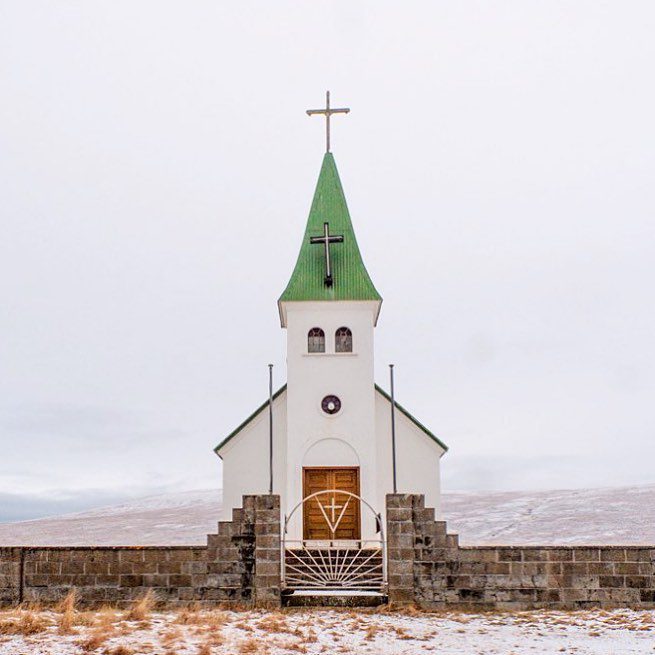
This Icelandic church's cemetery plays a major role in a popular Icelandic ghost story.
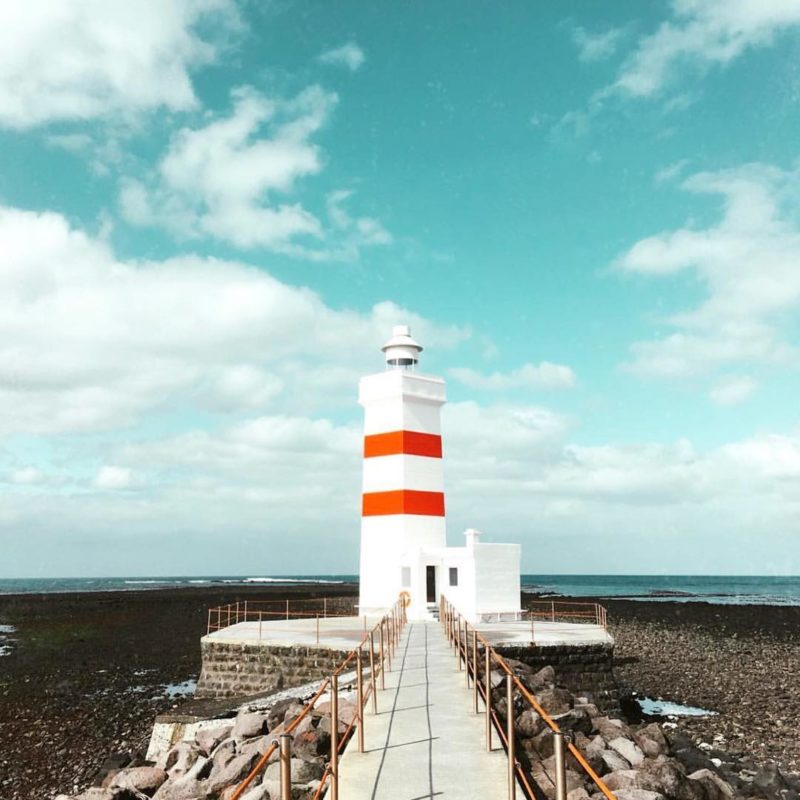
The Old Gardur Lighthouse in Iceland was built low enough to the ground to avoid mist but as a result is always in danger from high surf.
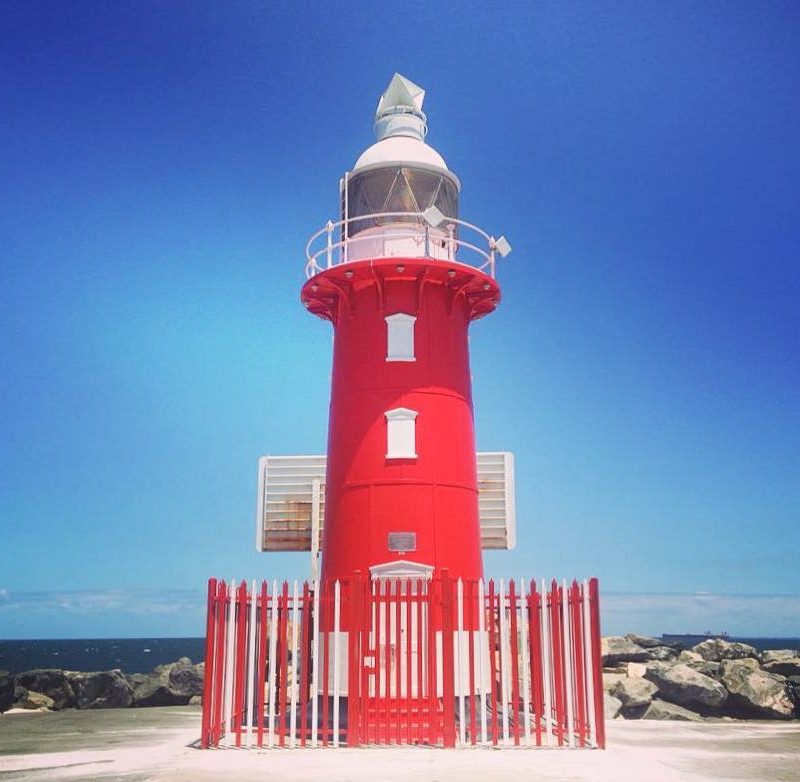
The North Mole Lighthouse is one of a pair of "twin" lighthouses found at the entrance to Fremantle Harbour in Western Australia.
This semicircular-cylindrical light house guards a fishing village in Iceland.
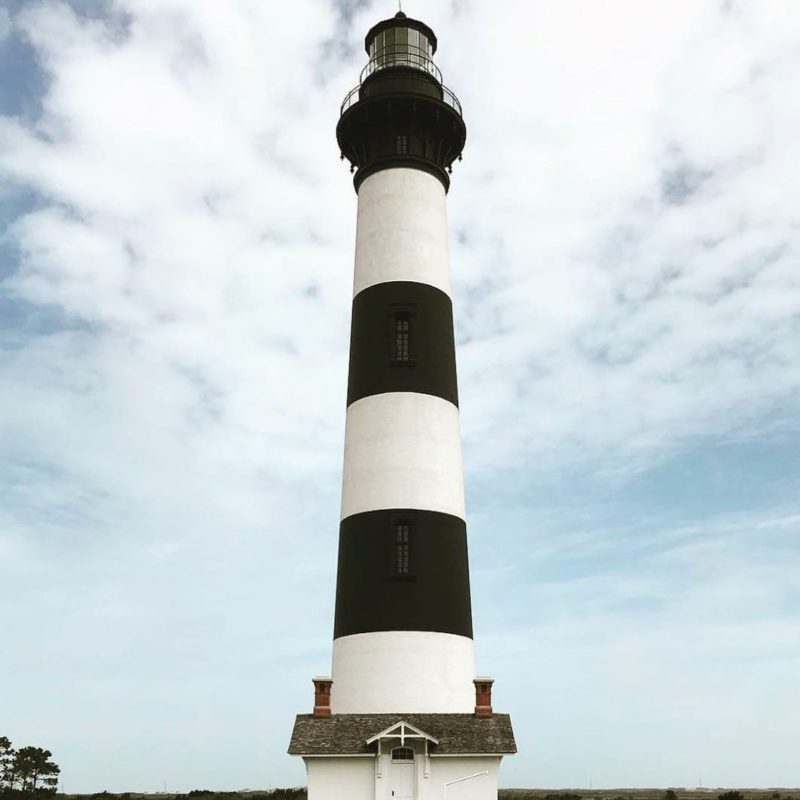
The 170-foot structure is one of only a dozen remaining tall, brick tower lighthouses in the United States.
AWA visted hereMax file size is 40MB. JPEGs are preferred.
You do not have permission to view this form.