Login
 login / signup










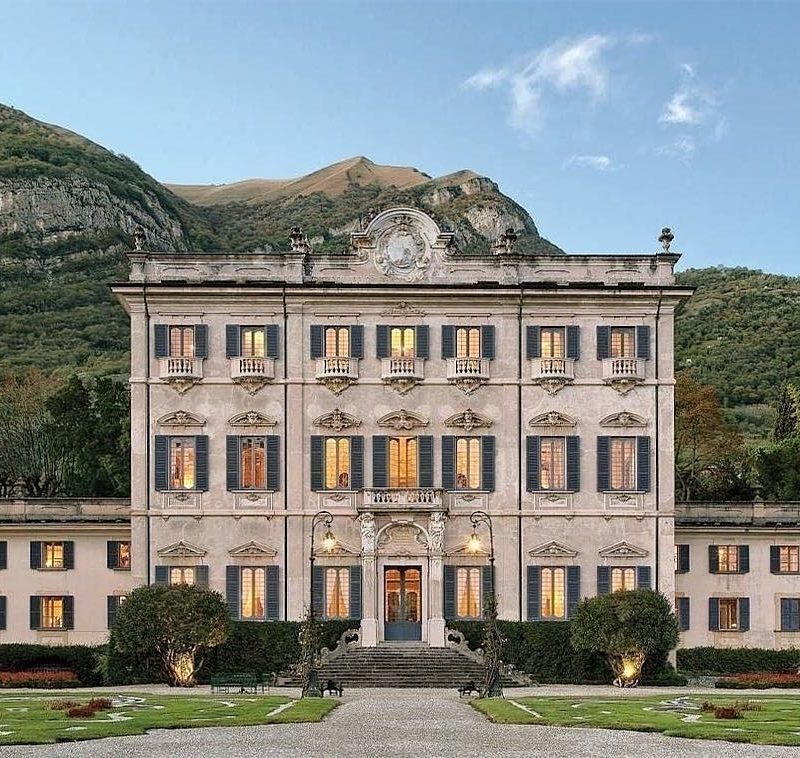

Como, Italy
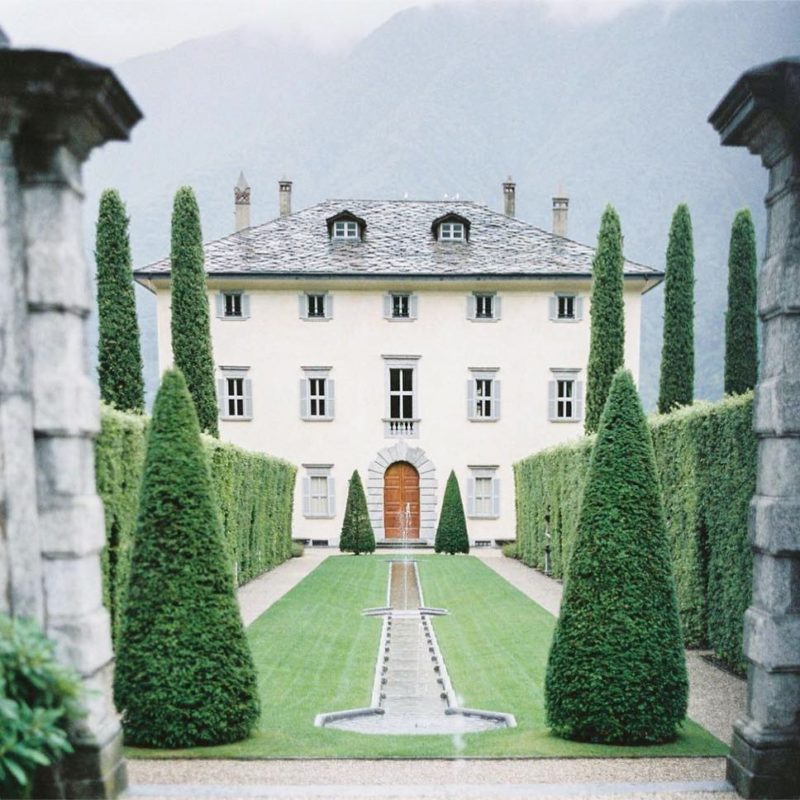
Villa Sola Cabiati
This 16th century villa belonged to one family for hundreds of years, and once hosted Napoleon.





Rovereto, Italy | C.1854

When the Austrian authorities’ tobacco factory opened in Borgo Sacco in 1854, hundreds of women worked there by hand, rolling cigars and helping make the factory one of the region’s defining industries. Known as zigherane, these workers left a legacy that reached well beyond tobacco: they campaigned for Trentino’s first company nursery, which opened in 1924, and contributed from their own wages to build a bridge over the river Leno, making their daily journey to work shorter and less arduous. The Ponte delle Zigherane still bears witness to their collective effort. After more than 150 years of tobacco production, the factory closed in 2008. Its next act is rather different: the historic industrial complex is being repurposed as Progetto Manifattura, a hub for green innovation and sustainable technology.
The factory’s story began before its first cigars rolled off the line. Construction started in 1851 following an agreement between the Austrian Royal Ministry of Finance and the municipality of Sacco, with production beginning in 1854. By the end of the nineteenth century, the workforce had grown to more than a thousand, predominantly women. Today, the site’s industrial architecture connects Rovereto’s manufacturing past with its ambitions for a more sustainable future. And the bridge remains a particularly fitting monument to the women who helped build both.
Partner


This 16th century villa belonged to one family for hundreds of years, and once hosted Napoleon.
This historic coffee house in Trieste, Italy has been serving traditional Viennese coffee since 1839.
Once home to papal Cardinals, this picturesque villa looks out onto the calm waters of Lake Como, Italy.
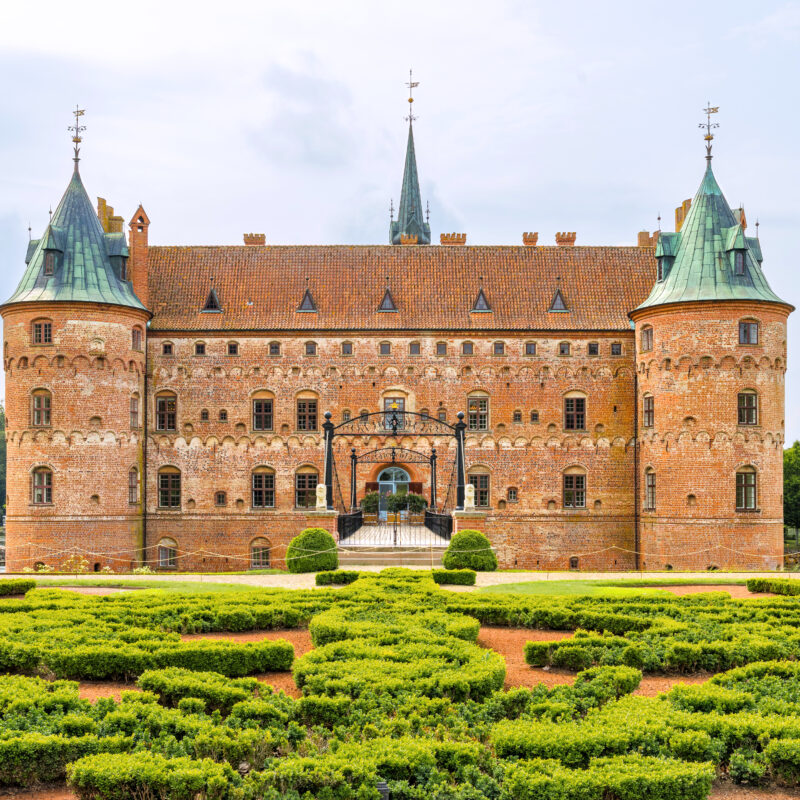
This floating castle appears to be from an enchanted fable, but in actuality it is Europe's best preserved Renaissance water castle.
AWA visted here
This resilient theater has weathered two destructive fires, and continues to be one of the most important cultural centers throughout Spain.
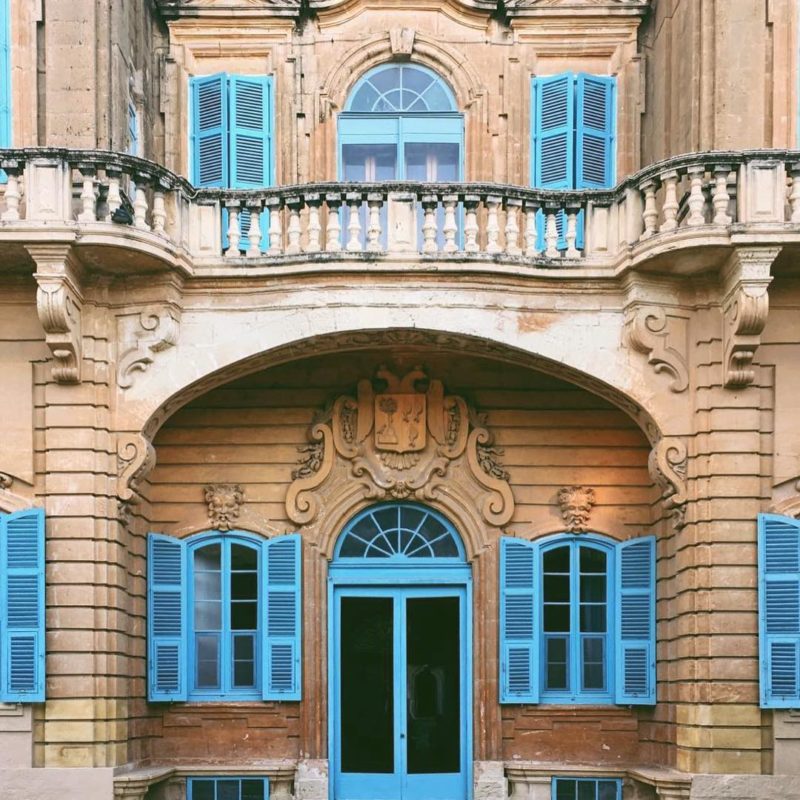
Uditore Fabrizio Grech would say this 1745 country house was built for his daughter, but it was in fact constructed to silence critics of his wealth.
Max file size is 40MB. JPEGs are preferred.
You do not have permission to view this form.