Login
 login / signup









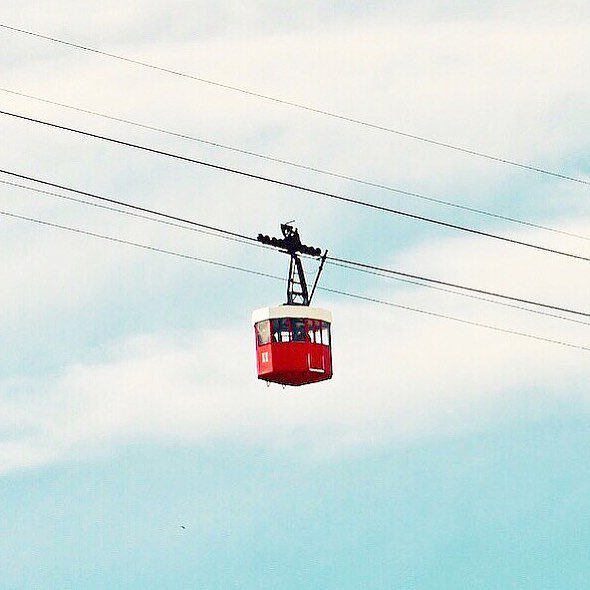

Barcelona, Spain
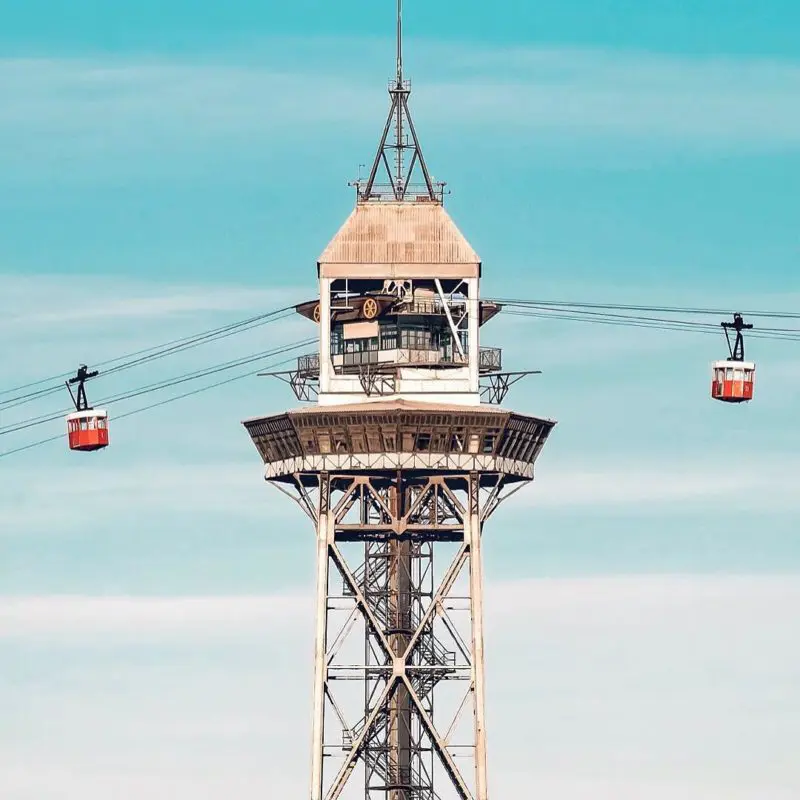
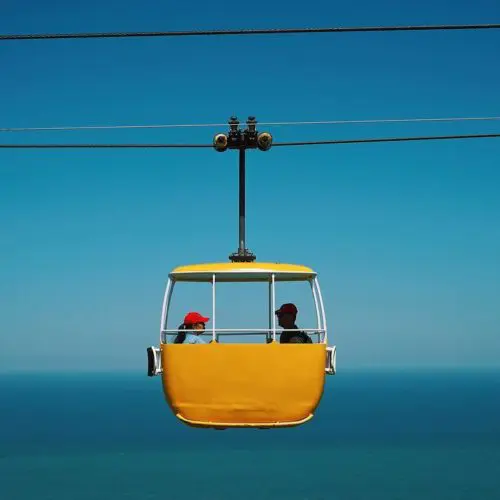
Montjuïc Cable Car
This cable car in Barcelona celebrates its 50th anniversary in 2020.





Barcelona, Spain | C.1727

Philip V’s revenge on Barcelona was thorough: after defeating Catalonia in 1714, he demolished roughly a thousand homes in La Ribera to build what was then Europe’s largest fortress, forcing residents to fund and build their own prison. The citadel became so hated that when it was finally torn down in 1869, locals kept just three buildings. In 1889 the city voted to convert the arsenal, once stocked with weapons meant for them, into a royal palace, though it reportedly never served as one. The ultimate irony came in 1932, when this symbol of subjugation became the Parliament of Catalonia itself.
The arsenal was designed by Flemish military engineer Jorge Próspero de Verboom and built between 1717 and 1727. After the fortifications came down, it served briefly as a barracks. Then municipal architect Pere Falqués gave it a palace makeover: he opened three first-floor balconies, covered the façade in sgraffito and raised its central section. He also mounted a stone escutcheon salvaged from one of the citadel’s gates. In 1900 the building became the city’s art museum, and side wings decorated with busts of Catalan artists were added in 1915. Parliament held its inaugural session there on 6 December 1932. After Barcelona fell to Nationalist forces in January 1939, the building became a barracks again, and later the Museu d’Art Modern. The restored Parliament returned in 1980 and has had the building to itself since 2004. Its members now debate in a chamber Falqués originally designed as a throne room. The other two survivors of the citadel are the chapel, now a military parish church, and the governor’s palace, now a secondary school. In 2012 the coat of arms of the Generalitat de Catalunya was mounted on the main façade, directly over that of Philip V.
Partner


This cable car in Barcelona celebrates its 50th anniversary in 2020.
Decimated by the Spanish War, this tramway was restored in 2000 to serve its intended purpose: a tourist attraction offering exceptional views of Barcelona.
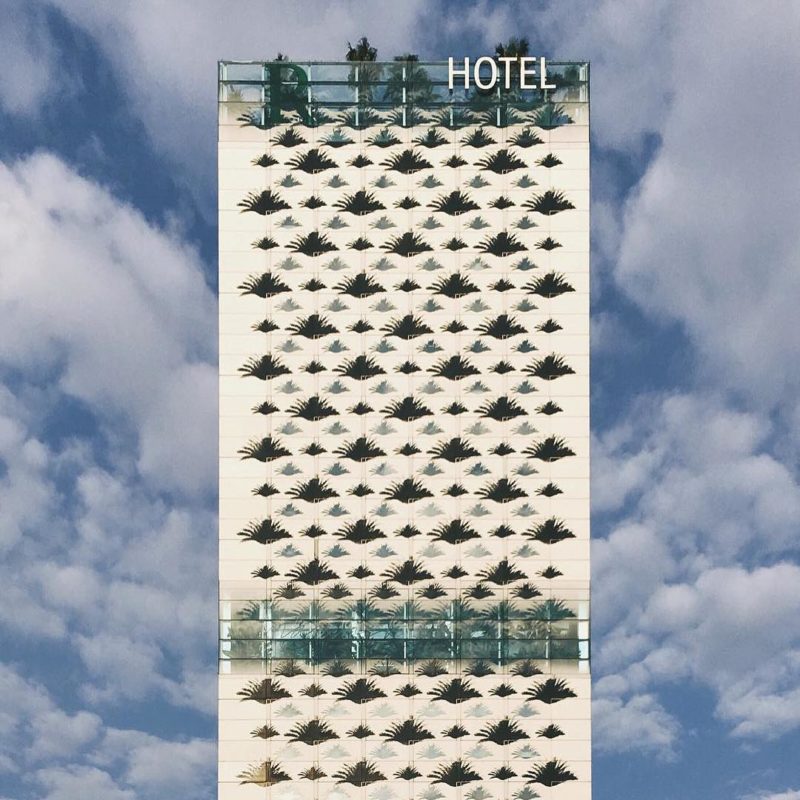
This modern hotel exhibits a variety of plants on each floor and a vertical garden with more than 300 palm trees.
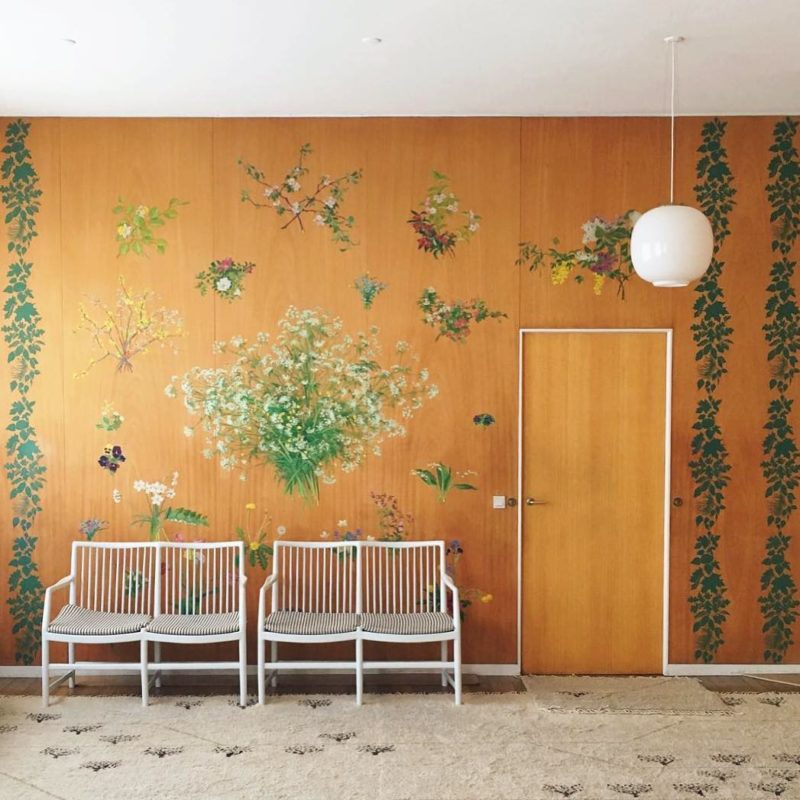
For over 70 years this city hall has operated as the political and civic center of Aarhus, Denmark, and continues to be a symbolic representation of democracy.
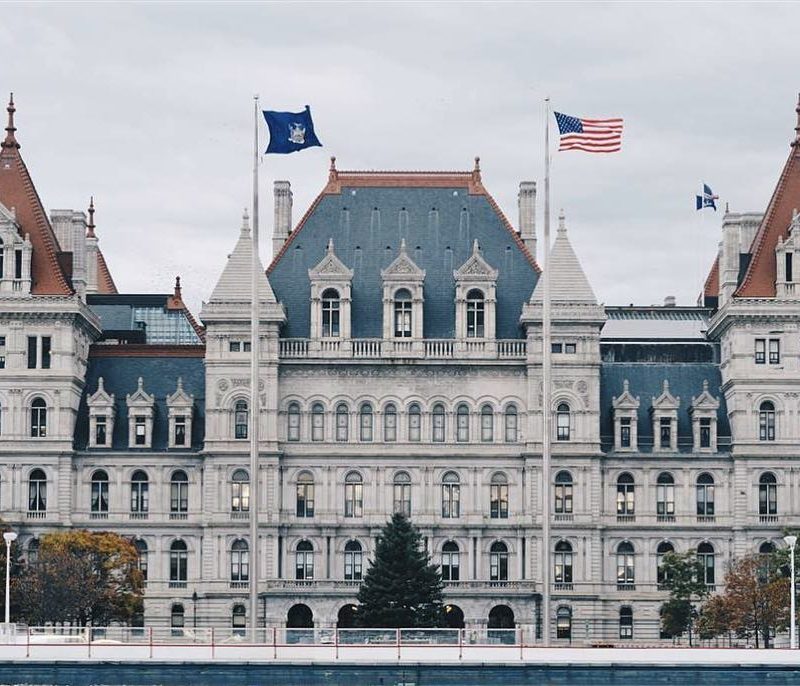
This state capitol building, constructed by three architects in different styles, still stands today thanks to an exterior staircase supporting the Eastern façade.
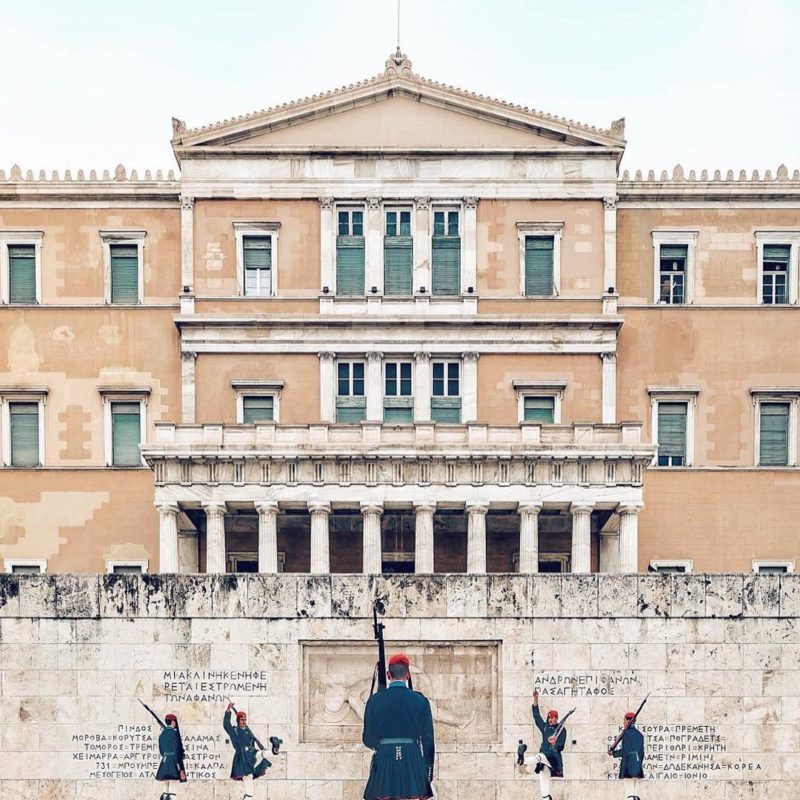
This is the first royal palace of modern Greece and current home of the Greek Parliament.
Max file size is 40MB. JPEGs are preferred.
You do not have permission to view this form.