Login
 login / signup












Cordoba, Spain
Teatro Góngora
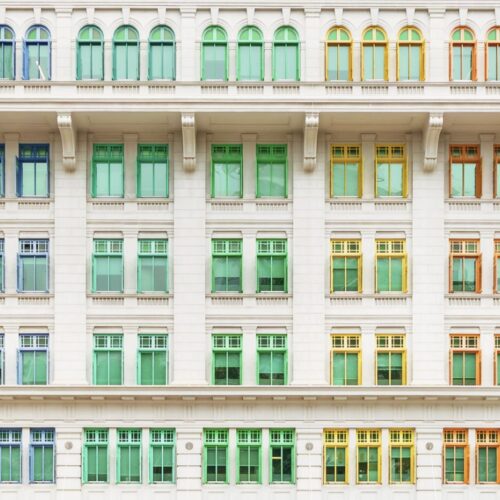
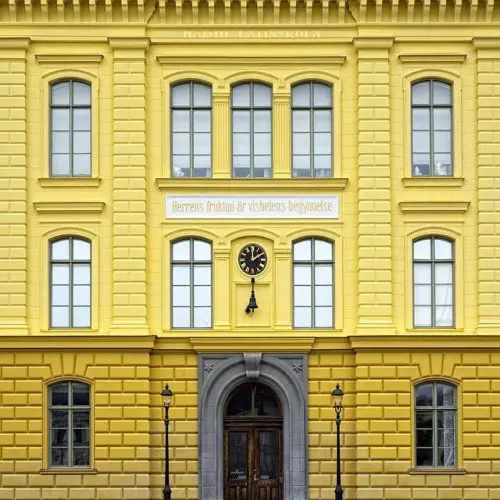
Reopened in 2011, this theater continues to be one of the few examples of architectural rationalism and a cultural centerpiece of Córdoba, Spain.




Cordoba, Spain | C.785

When builders began Córdoba’s grand mosque in 785, they scavenged columns from Roman temples and Visigothic churches across southern Spain: marble, jasper, granite, capitals of every description. The salvaged pillars were too short to reach ceiling height, so architects set horseshoe arches atop the columns and stacked a second tier of semicircular arches above them, banded in red brick and white stone, turning a supply problem into what would eventually become 856 columns of accidental genius. Then in 1523, a Renaissance cathedral was carved straight into the prayer hall’s heart, prompting Charles V to reportedly lament he’d destroyed something unique for something ordinary.
The mosque was founded by Abd al-Rahman I, an Umayyad prince who had fled Damascus, and his successors enlarged the hall several times over the next two centuries. In 961, al-Hakam II added a new mihrab, an ornate niche fronted by a horseshoe arch and encrusted with gold mosaic. It faces south rather than toward Mecca, reportedly following the orientation of the mosque in Damascus. Ferdinand III took Córdoba in 1236, and the building was consecrated as a cathedral that same year. For nearly three centuries afterward, most Christian additions stayed at the edges. The 1523 nave ended that restraint, though the mihrab was largely spared. Even the name remains a matter of negotiation: after a dispute between the church and the city in the 2010s, it is now officially diplomatic as the Mosque-Cathedral. Charles V, for his part, had reportedly approved the project without ever having seen the building.
Partner


Reopened in 2011, this theater continues to be one of the few examples of architectural rationalism and a cultural centerpiece of Córdoba, Spain.
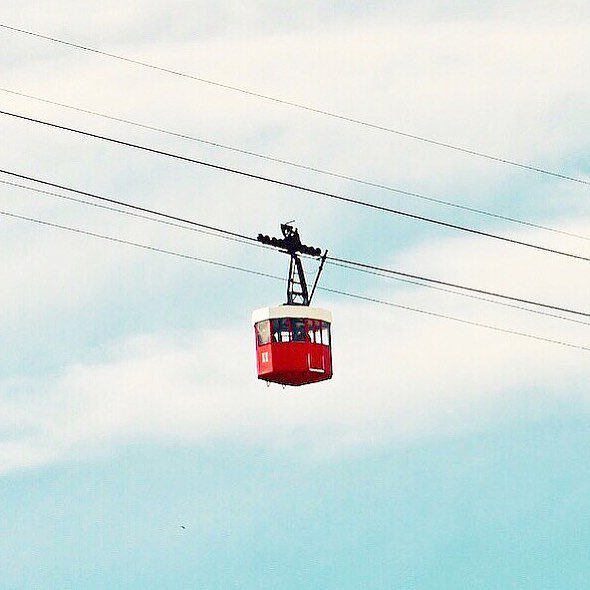
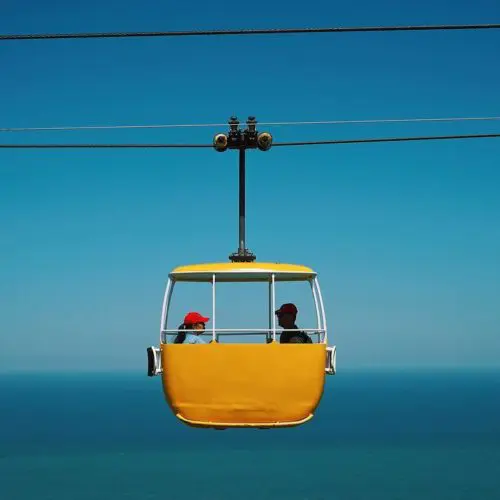
This cable car in Barcelona celebrates its 50th anniversary in 2020.
This resilient theater has weathered two destructive fires, and continues to be one of the most important cultural centers throughout Spain.
This cable car in Barcelona celebrates its 50th anniversary in 2020.
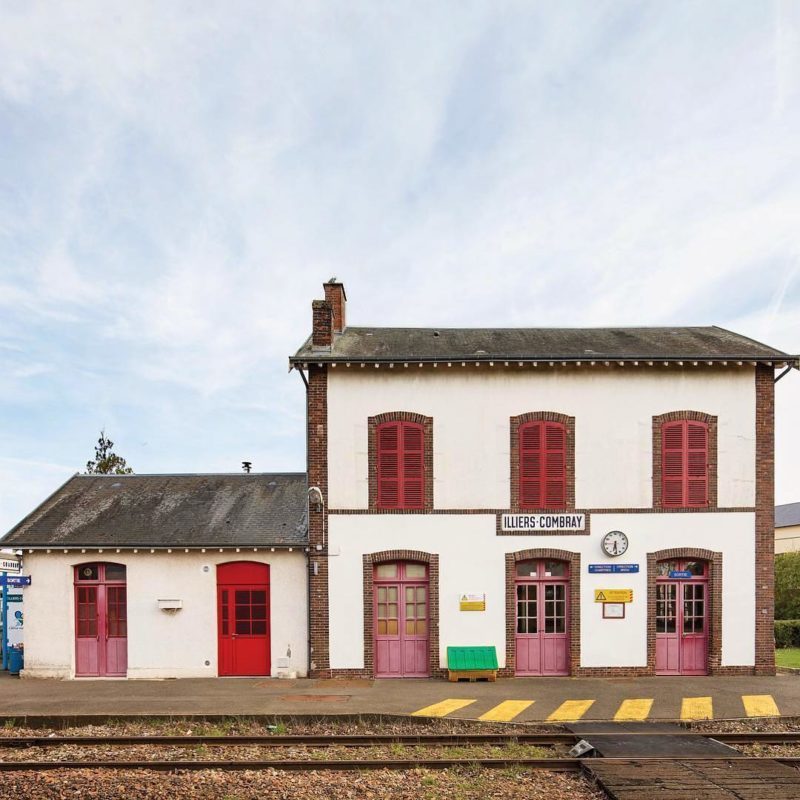
This French train station is located in a town renamed after the famed writer Marcel Proust's fictional name for the village.
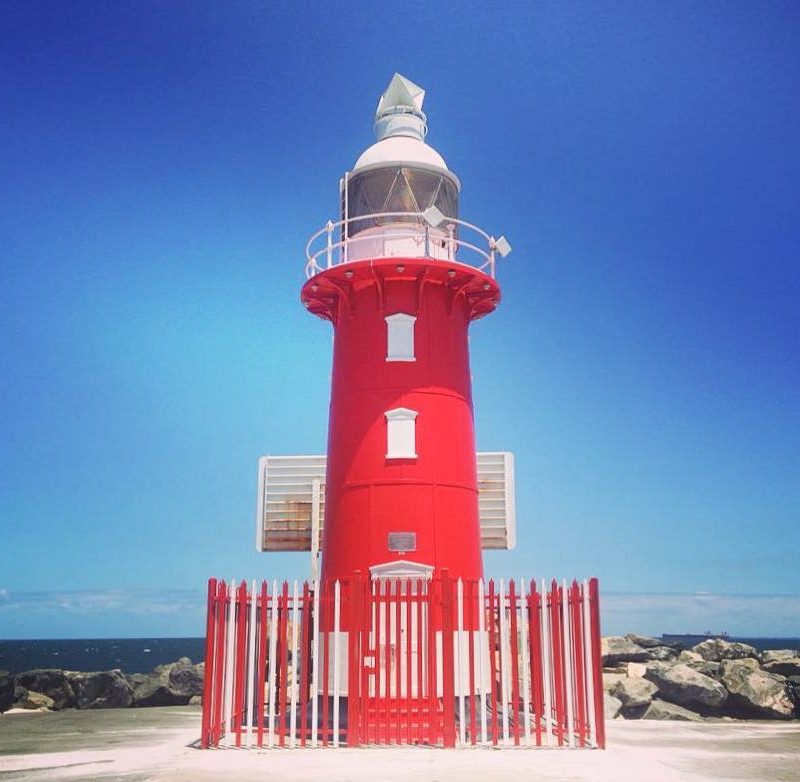
The North Mole Lighthouse is one of a pair of "twin" lighthouses found at the entrance to Fremantle Harbour in Western Australia.
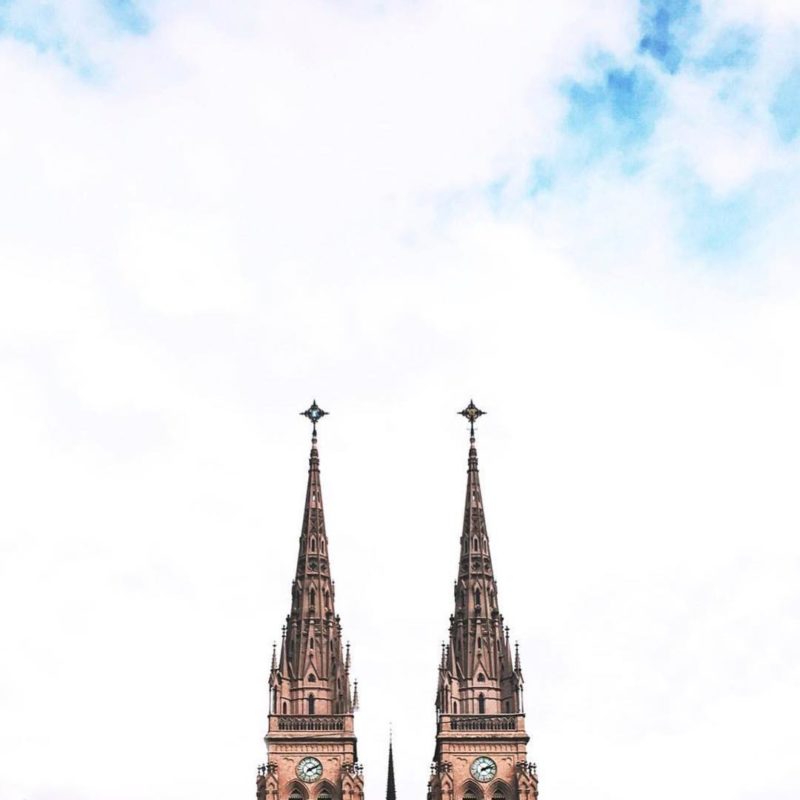
This Argentinian basilica is home to a famous icon and 15 bells, each with a different name and motto.
It started with an avalanche and a flask of Holy Blood.
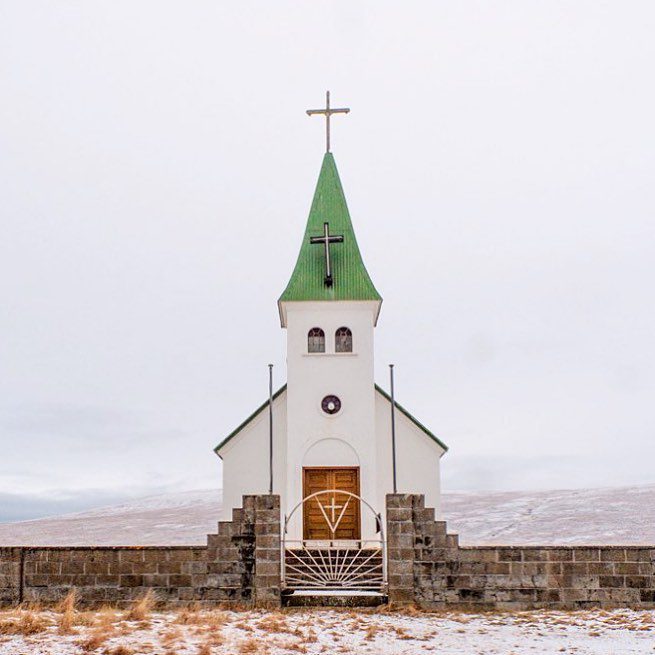
This Icelandic church's cemetery plays a major role in a popular Icelandic ghost story.
Max file size is 40MB. JPEGs are preferred.
You do not have permission to view this form.