 Login
 login / signup








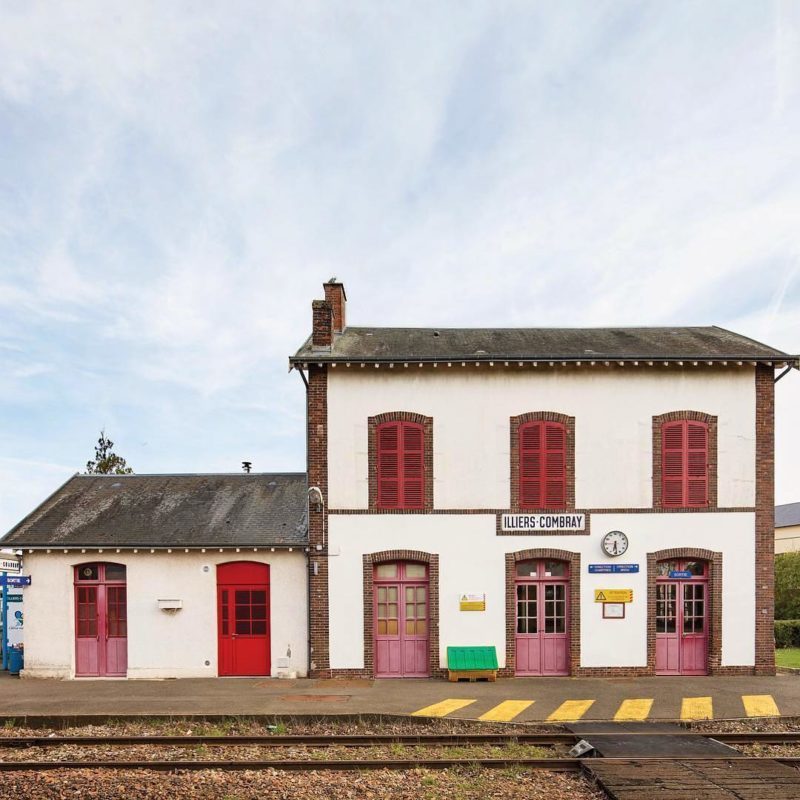
Chartres, France
Illiers-Combray Station
This French train station is located in a town renamed after the famed writer Marcel Proust's fictional name for the village.



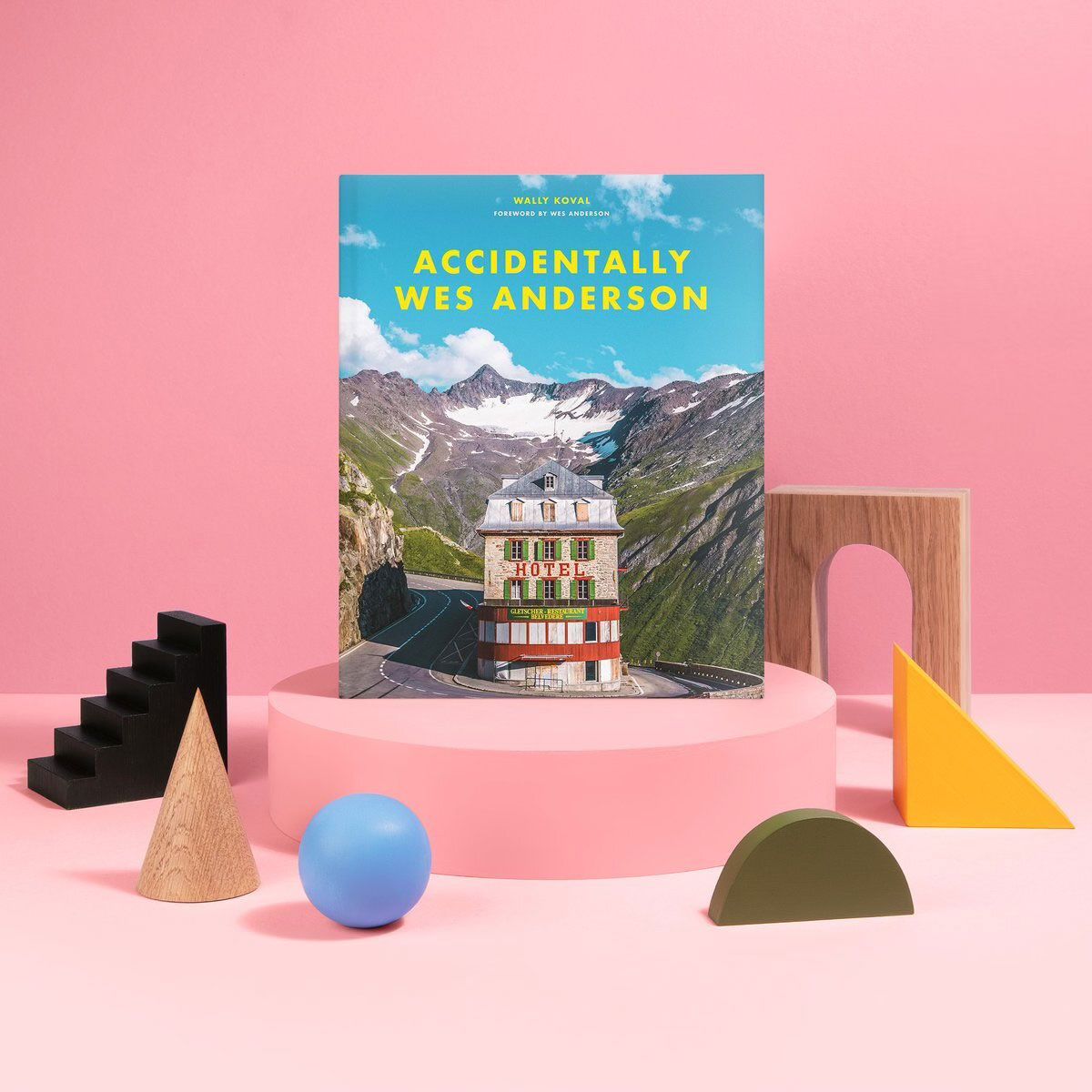


Marcilhac-sur-Célé, France | C.800

The Benedictine abbey at Marcilhac-sur-Célé once owned the sanctuary of Rocamadour but neglected it so thoroughly that monks from Tulle moved in, restored it, and discovered relics that transformed it into one of France’s most revered pilgrimage sites. The original abbey was forced to accept a compensation fee and relinquish all claims. Fast-forward eight centuries: in 2015, the abbey’s priest parachuted from 4,000 meters to raise funds for restoration, proving that sometimes you have to jump out of a plane to save what your predecessors managed to keep.
Bishop Déodat of Cahors gave Rocamadour to Marcilhac around 1030. By the 1040s, the trip had proved inconvenient enough that the abbey handed the chapel’s day-to-day care to a nearby priory belonging to the abbey of Tulle. In 1166, Tulle’s monks uncovered the body of Saint Amadour, pilgrims arrived in force, and Marcilhac remembered that it owned the place. The lawsuit dragged on until 1193, when Abbot Géraud settled for 3,000 sols. Marcilhac fared worse on its own: sacked by English troops during the Hundred Years’ War, burned by Protestants during the Wars of Religion, and limping on until the Revolution, its church now serves the parish while the western end of the nave stands in ruins. In 2015, Father Guillaume Soury-Lavergne, reportedly terrified of heights, promised to skydive if a crowdfunding campaign reached €25,000 of the €50,000 needed for repairs, chief among them an 1886 Victorian organ donated by a parish in Yorkshire. On July 17, as the Cahors parachute center marked its 50th anniversary, he said a final prayer and jumped. The organ, unlike Rocamadour, stayed.
Partner


This French train station is located in a town renamed after the famed writer Marcel Proust's fictional name for the village.
This royal square, one of the most recognizable spots in Bordeaux, was built to expand the French city towards Garonne River for trade opportunities and aesthetic appeal.
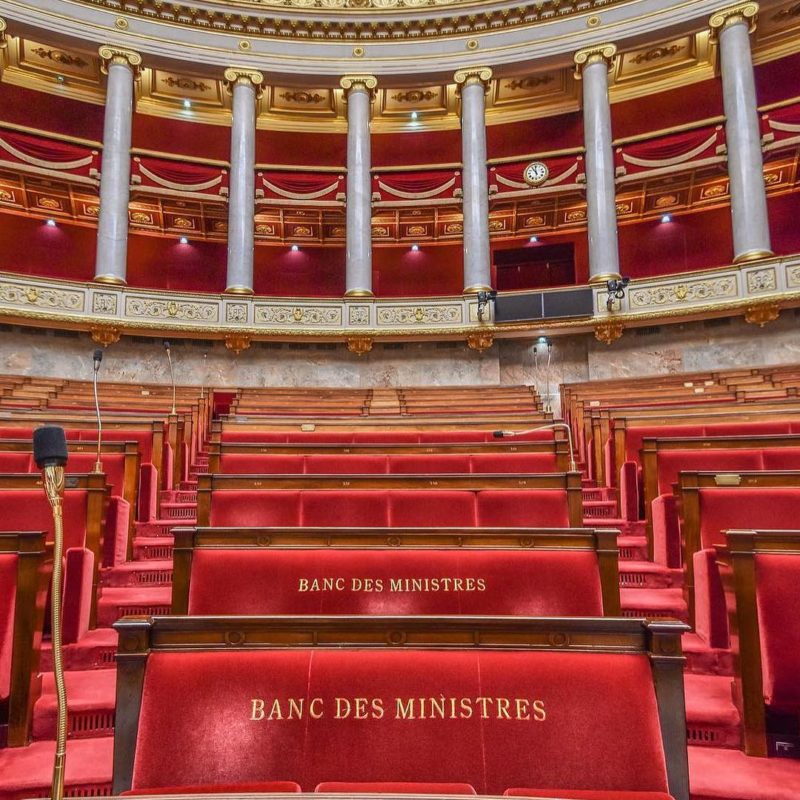
From the CommunityThis legislative chamber in Paris, France was a royal palace before becoming the meeting place for revolutionaries to decide on new leaders.
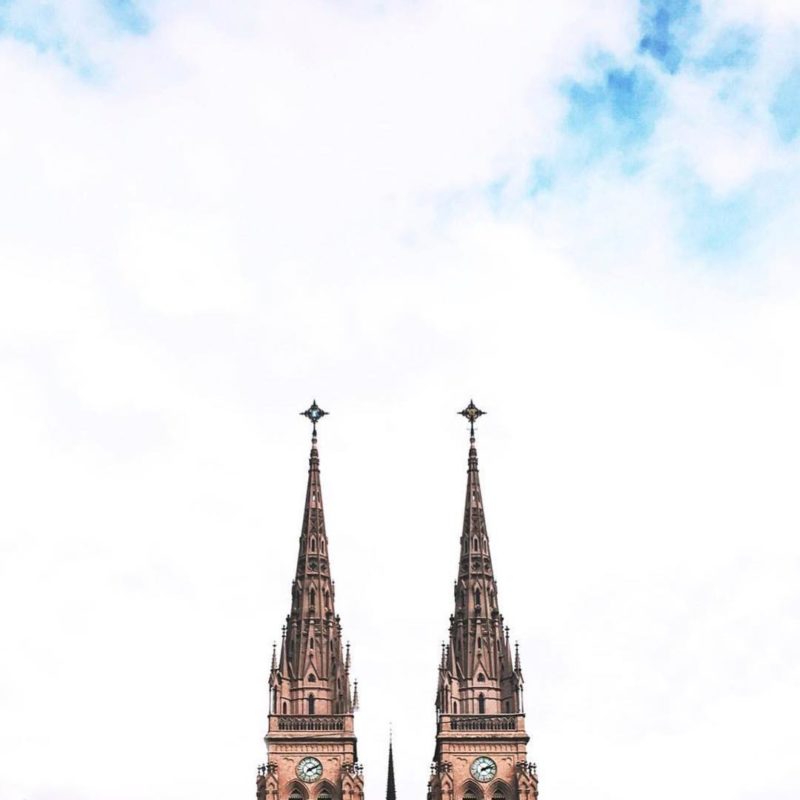
This Argentinian basilica is home to a famous icon and 15 bells, each with a different name and motto.
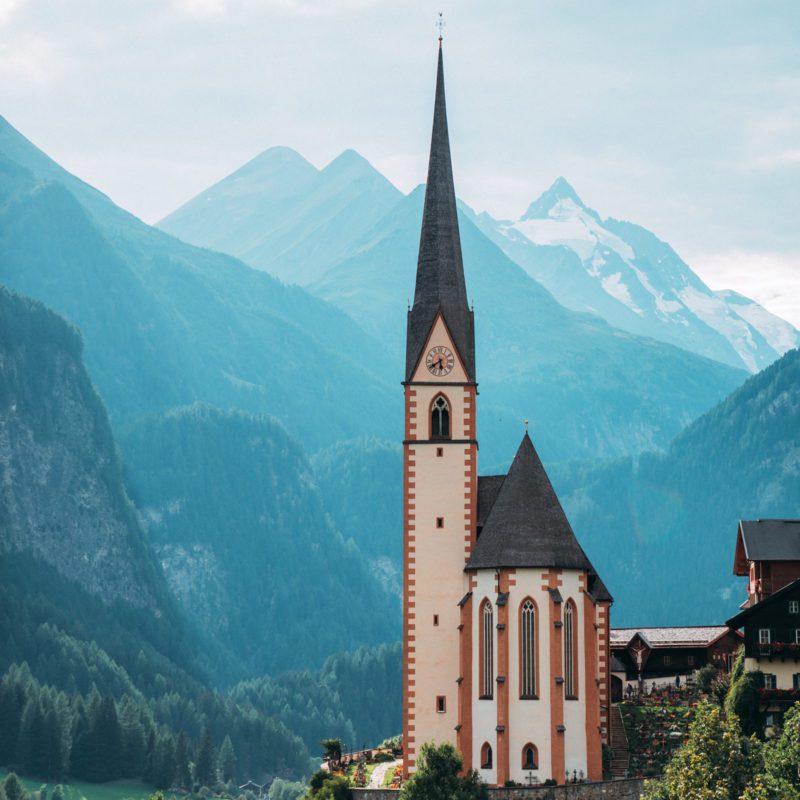
It started with an avalanche and a flask of Holy Blood.
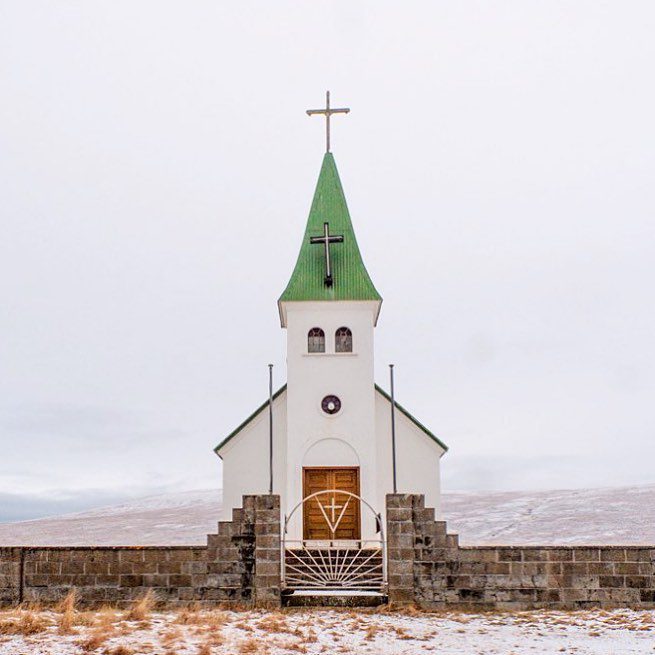
This Icelandic church's cemetery plays a major role in a popular Icelandic ghost story.
Max file size is 40MB. JPEGs are preferred.
You do not have permission to view this form.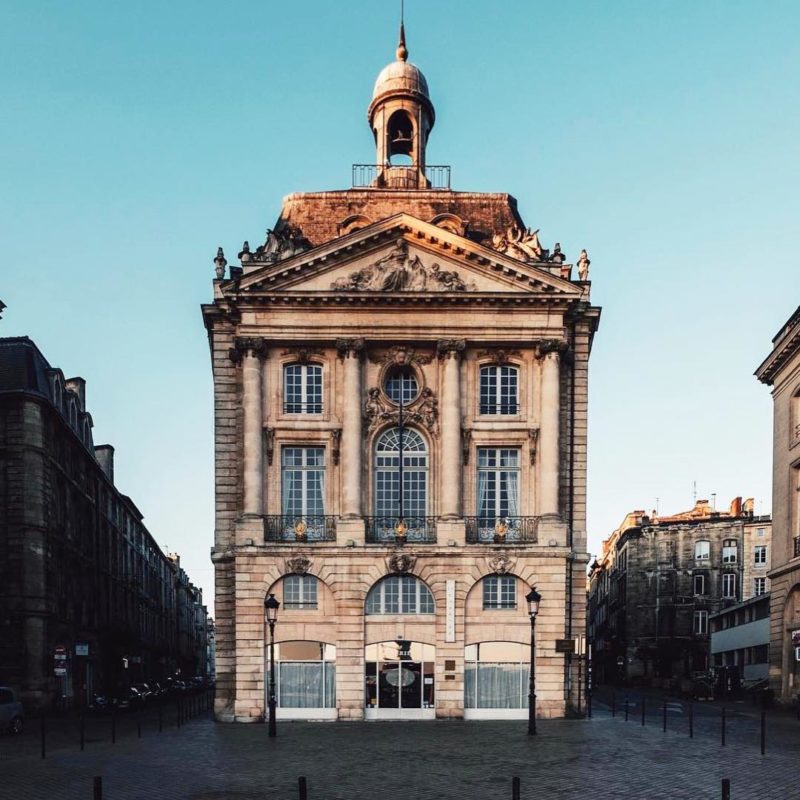
Thank you!