Login
 login / signup









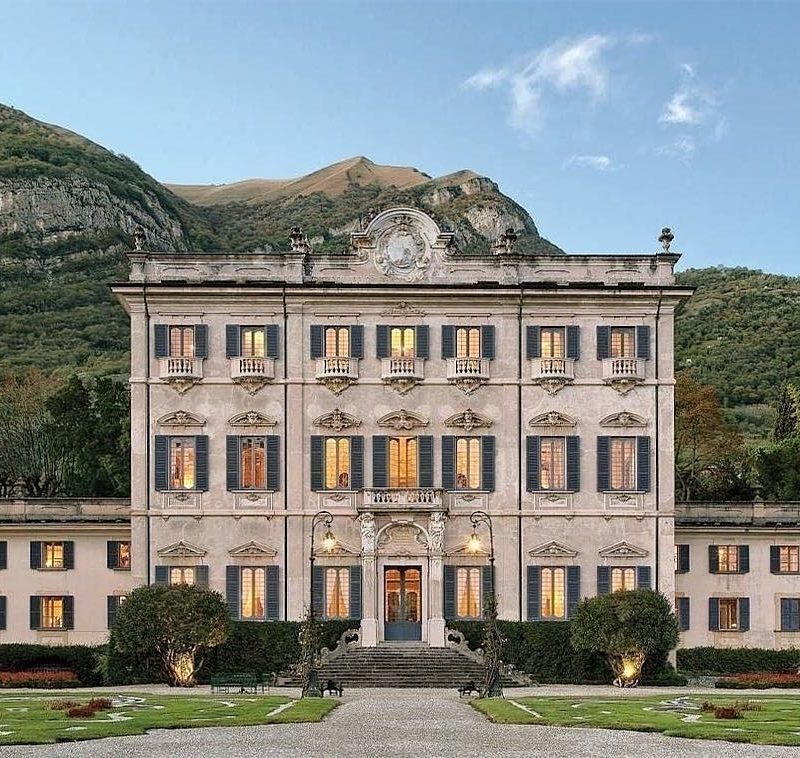

Como, Italy
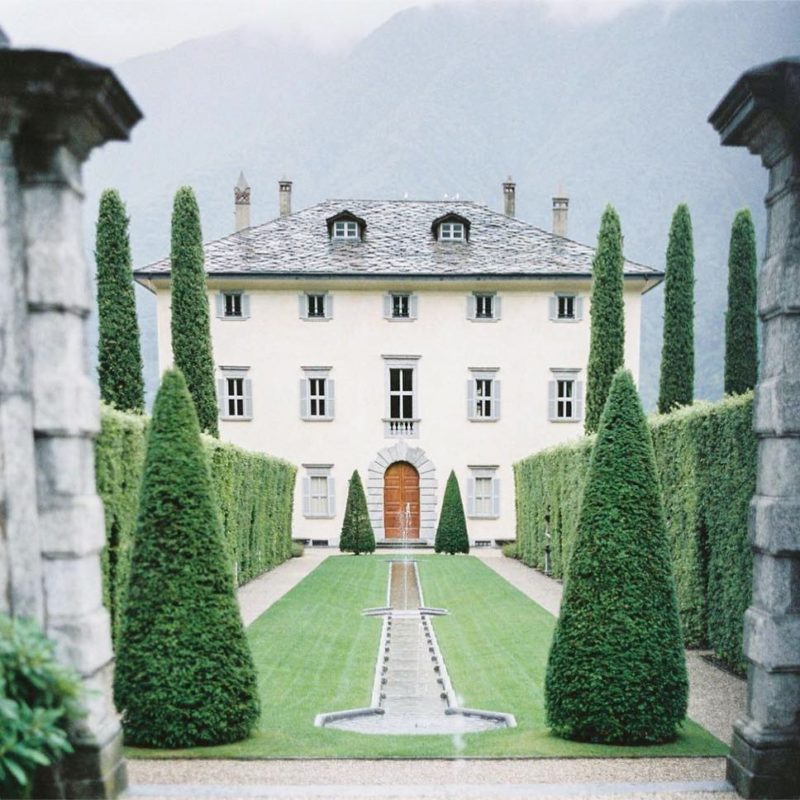
Villa Sola Cabiati
This 16th century villa belonged to one family for hundreds of years, and once hosted Napoleon.





Curon Venosta, Italy | C.1355

In the summer of 1950, residents of Curon Venosta watched as their old village disappeared beneath the rising waters of a new hydroelectric reservoir. The project joined Lake Resia and Lake Curon into a much larger artificial lake, flooding Old Curon and parts of neighboring Resia after years of opposition from local residents. Around 163 houses were demolished, forcing families to leave the homes and farmland that had sustained their community for generations. The church bells were removed before the flooding, but the 14th-century Romanesque bell tower of the Church of St. Catherine of Alexandria was left standing, its stone silhouette rising incongruously from the water.
Today, the tower in Lake Resia has become one of South Tyrol’s most recognizable landmarks, its solitary profile framed by Alpine peaks. The structure is a reminder of a landscape transformed by the pursuit of hydroelectric power and of the communities displaced in the process. In winter, when the lake freezes, visitors can sometimes walk across the ice toward the tower; in summer, it rises from the water like the surviving fragment of a lost world. A local legend claims that the bells can still be heard ringing beneath the lake, even though they were removed before the reservoir filled. The haunting story has become part of the tower’s mythology, adding another layer to a place where history, memory, and landscape meet.
Partner


This 16th century villa belonged to one family for hundreds of years, and once hosted Napoleon.
This historic coffee house in Trieste, Italy has been serving traditional Viennese coffee since 1839.
Once home to papal Cardinals, this picturesque villa looks out onto the calm waters of Lake Como, Italy.
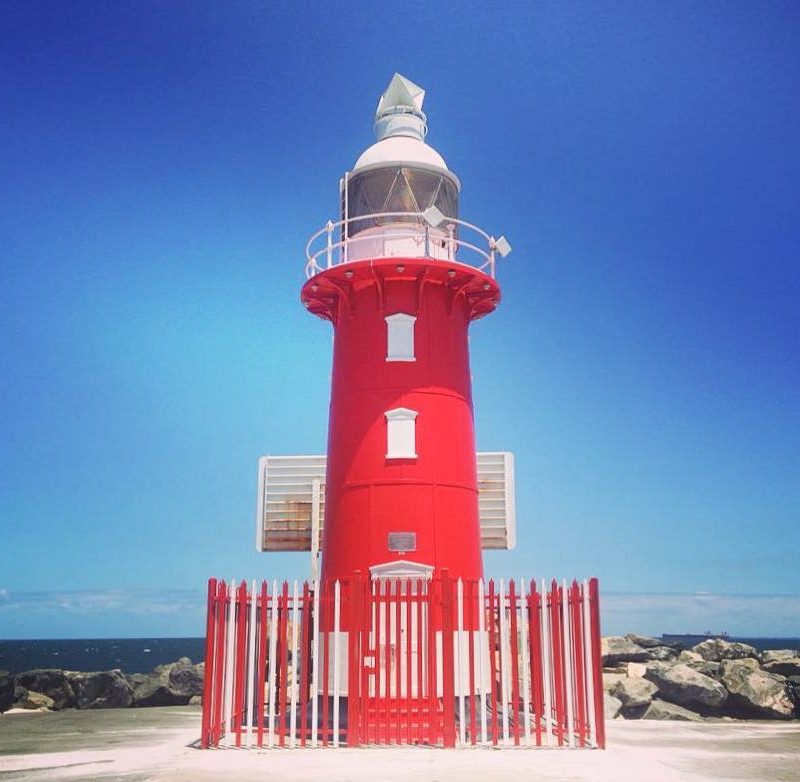
The North Mole Lighthouse is one of a pair of "twin" lighthouses found at the entrance to Fremantle Harbour in Western Australia.
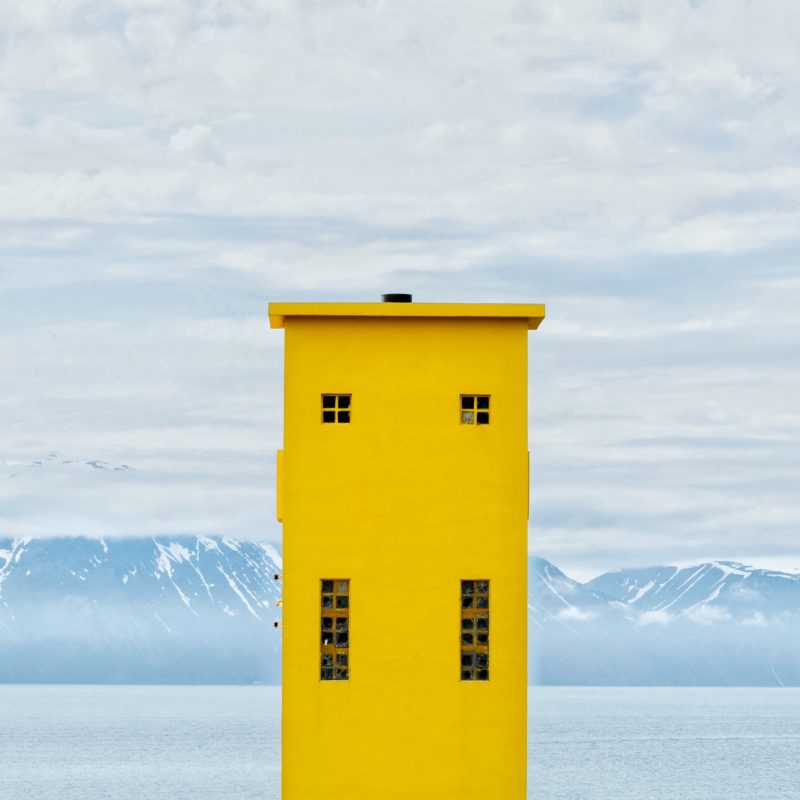
This semicircular-cylindrical light house guards a fishing village in Iceland.
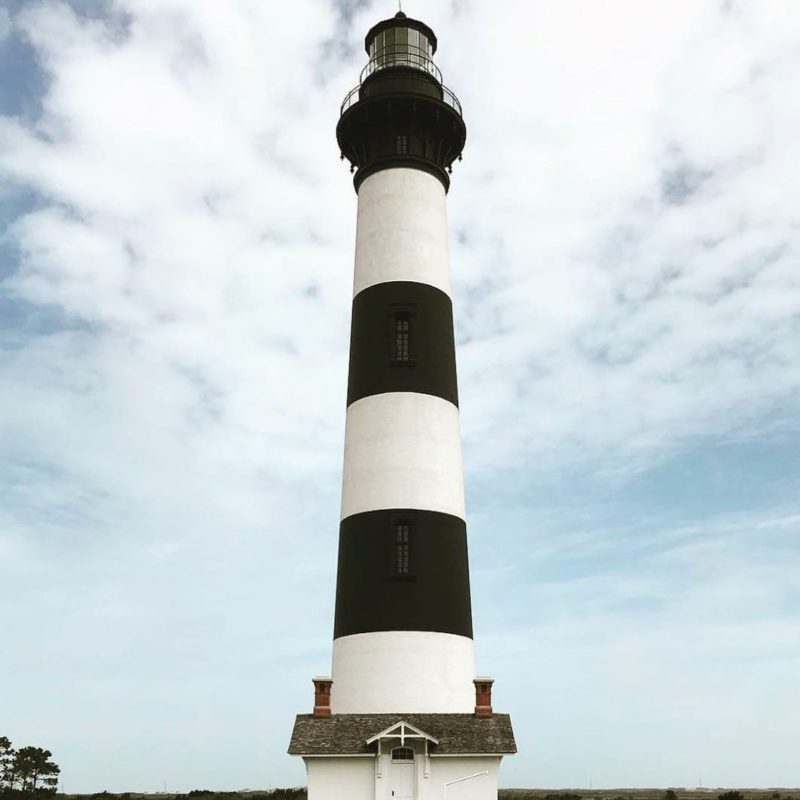
The 170-foot structure is one of only a dozen remaining tall, brick tower lighthouses in the United States.
AWA visted hereMax file size is 40MB. JPEGs are preferred.
You do not have permission to view this form.