Login
 login / signup










London, United Kingdom
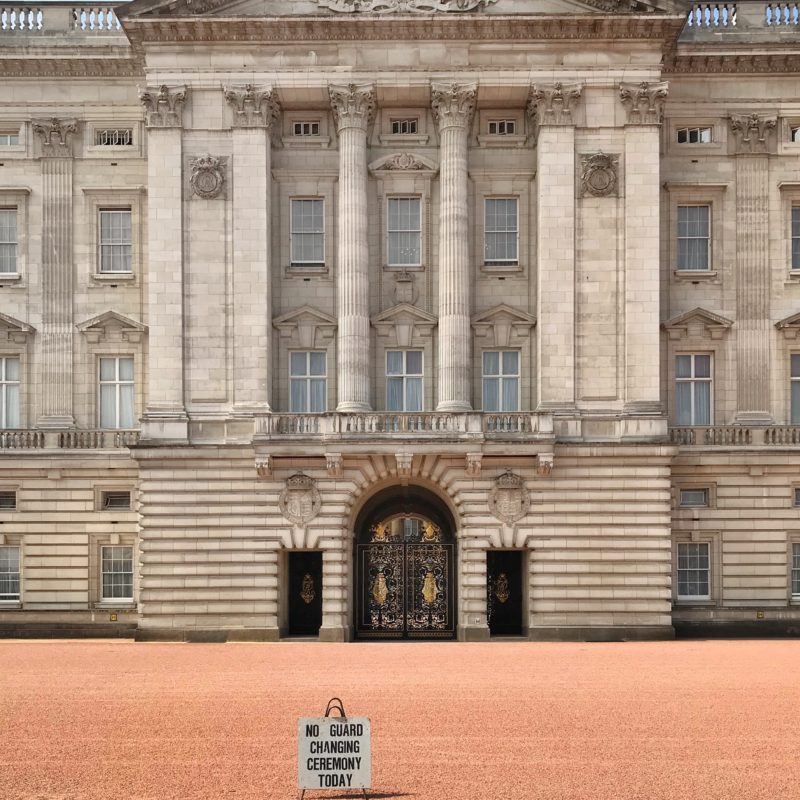
Buckingham Palace
This fixture of British culture was nearly destroyed in World War II after five German bombs were dropped on the palace on Friday the 13th, 1940.
From the Community



Helston, United Kingdom | C.1927

For seventy-two years, Kynance Cove Cafe survived on spring water and a generator, perched between serpentine rocks where the tide dictates the day. When the National Trust acquired it in 1999, the cafe leapfrogged into the future: mains water and electricity arrived first, and photovoltaic roof tiles followed, now generating enough electricity to brew 45,550 cups of tea annually, with surplus feeding back to the National Grid. The first National Trust property to sport solar tiles, this family-run operation proves that the most remote outposts sometimes lead the charge.
The cove drew crowds long before the cafe did. It became fashionable in the early Victorian era, attracting Queen Victoria and Prince Albert along with the poets Tennyson and Swinburne. Its name comes from the Cornish Ben Kewnans, meaning foot of a steep-sided valley, and its cliffs expose two types of serpentine, bastite and tremolite, which makes the site a fixture for geologists. More recently it stood in for a Velaryon camp in House of the Dragon. Luke and Victoria Donovan have run the cafe and adjoining cottage since 1999. The solar tiles cover both roofs, heating the cafe’s water and powering the cove’s toilet block. They look pretty close to ordinary roof tiles, so most customers likely never notice the building is making its own tea.
Partner

This fixture of British culture was nearly destroyed in World War II after five German bombs were dropped on the palace on Friday the 13th, 1940.
From the CommunityThis town hall is a rare example of Edwardian baroque style in London, and features a tall marble statue of Queen Victoria.
An open-air museum serving as a living monument to the immense change brought to England by the coal and iron industry.
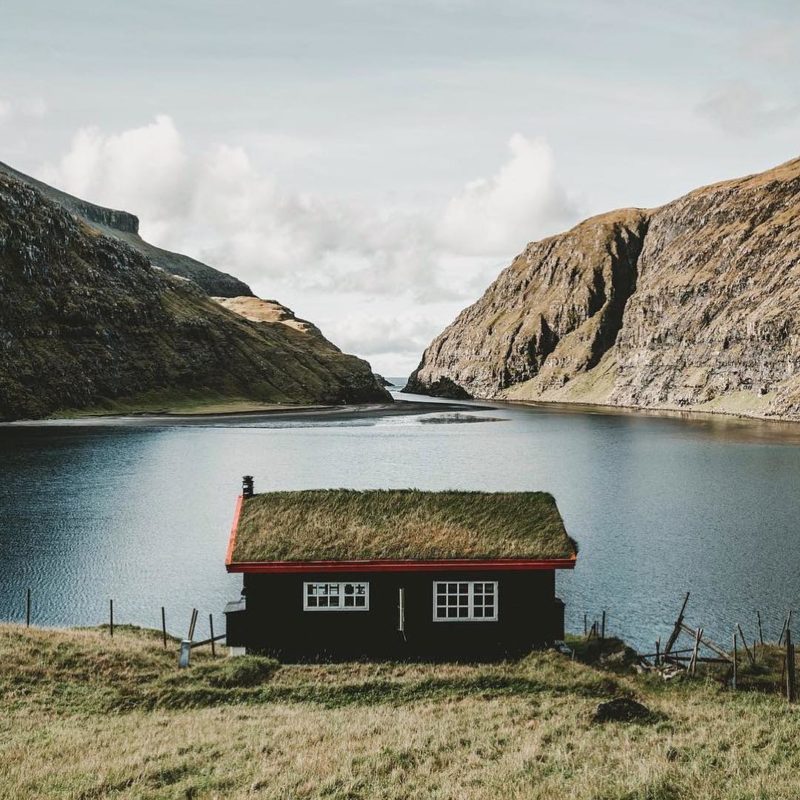
Small homes like this in Saksun on the Faroe Islands were built with turf roofs to provide protection from the rain and thermal insulation.
Once a secret military base, this port is now one of the most visited tourist sites in Antarctica.
This photogenic boat house on the Western coast of Australia has been the subject of advertisements across the globe.
Max file size is 40MB. JPEGs are preferred.
You do not have permission to view this form.