Login
 login / signup













Scenic, South Dakota, United States
The Longhorn Saloon
When a May blizzard pushed Ab Jefferson's cattle off Sheep Mountain, he opened a saloon and ended up in jail for it.
From the Community





Scenic, South Dakota | C.1907

The saloon arrived before the railroad depot. That tells you almost everything you need to know about priorities in early Scenic, South Dakota, where a traveler in 1907 described the settlement as little more than a boxcar depot, a section house, a tent and a saloon.
It would not stay that small for long. The Milwaukee Railroad gave Scenic a reason to exist, turning the little stop on the edge of the Badlands into a trading center for nearby ranchers and homesteaders. By the 1920s, roughly 250 people called it home, enough to support two churches, livery barns, blacksmith shops, a dance hall, a theater and even its own newspaper, the *Scenic Observer*.
For a town built around passing through, however, a change in the way people traveled could change everything. As rail traffic declined and Interstate 90 became the region’s main east-west route, fewer travelers had a reason to pass through Scenic at all. Businesses closed, residents left and a population once counted in the hundreds dwindled to a handful.
Eventually, Scenic became so empty that most of the town itself could be put on the market. In 2011, its saloon, post office, dance hall, museum, stores and old railroad depot were offered for $799,000 before being purchased by Iglesia ni Cristo, a church based in the Philippines. Today, Highway 44 still runs past Scenic, where a row of weathered mailboxes stands beside a town that once had enough people for its own newspaper, theater and dance hall.
Partner


When a May blizzard pushed Ab Jefferson's cattle off Sheep Mountain, he opened a saloon and ended up in jail for it.
From the CommunityA one-night stay at the Stanley Hotel sparked the inspiration for Stephen King's The Shining.
AWA visted here
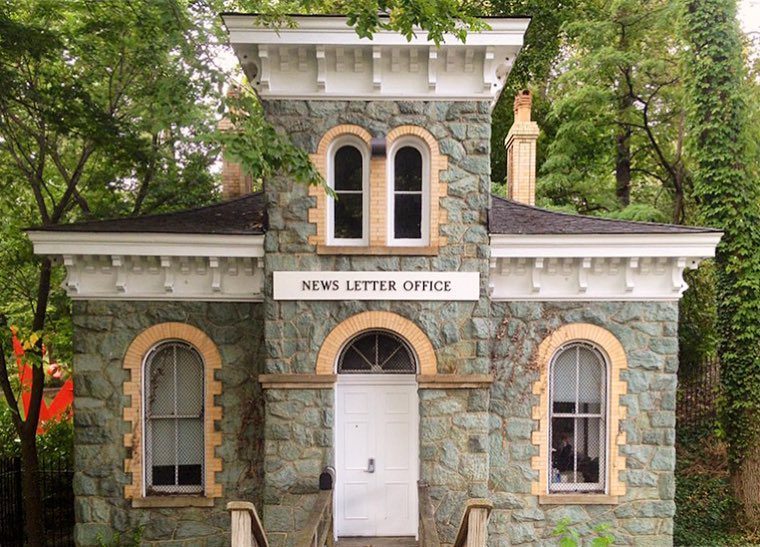
Formerly the public entrance to an estate, this gatehouse has served as the headquarters of John's Hopkins' student newspaper since 1965.
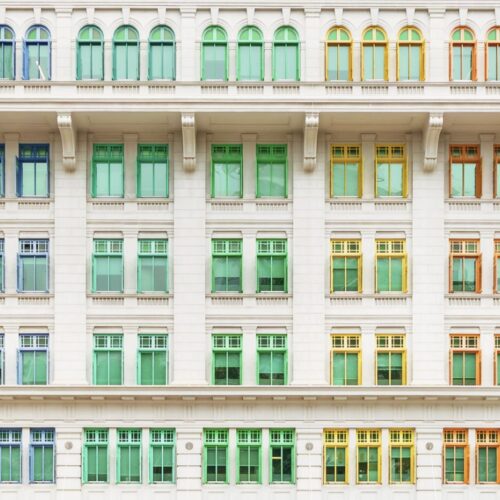
This post office in the heart of the French district represents a time of major change in Cambodia.
Once a secret military base, this port is now one of the most visited tourist sites in Antarctica.
Max file size is 40MB. JPEGs are preferred.
You do not have permission to view this form.