Login
 login / signup











Amsterdam, Netherlands
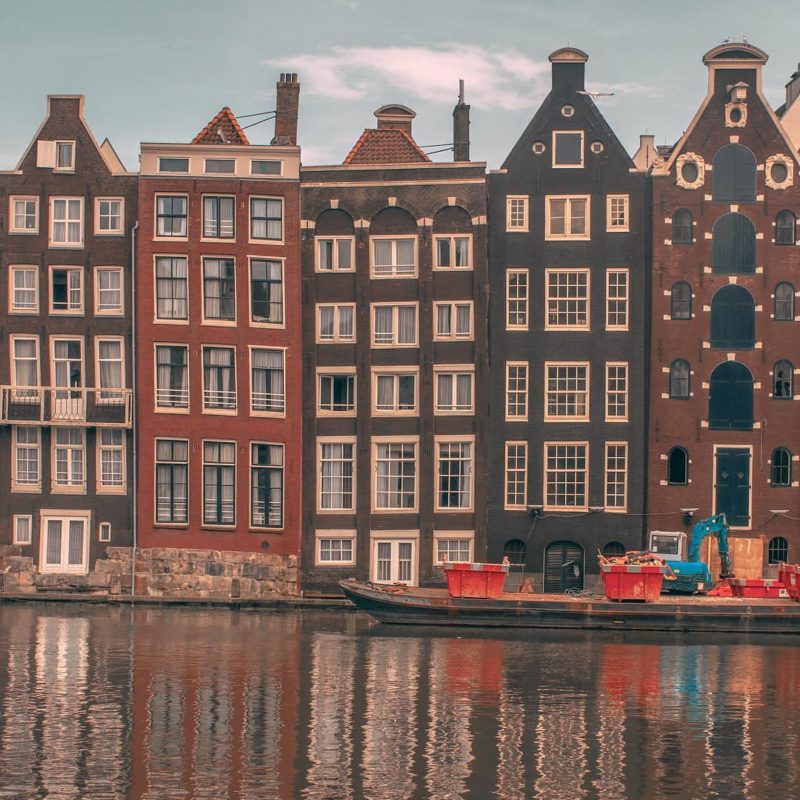
Canal Houses
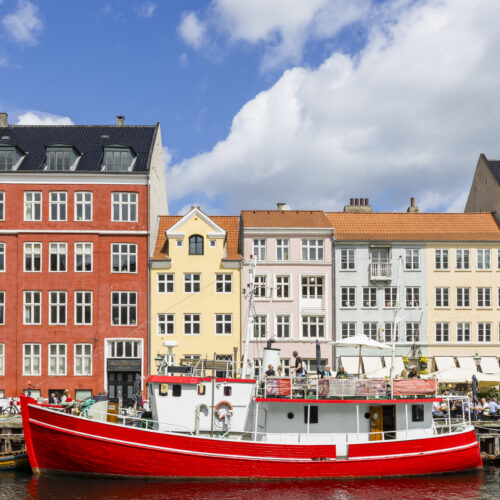
These 17th century townhouses, iconic in Amsterdam's inner urban center, are nicknamed "dancing houses" for the way they have shifted and settled over time.






Delft, Netherlands

On Delft’s Markt, the broad square between the Nieuwe Kerk and the City Hall, Henri Willig’s cheese shop occupies a listed building that may date to the 18th century, its market-side front dressed up with a stuccoed, decorated facade sometime in the third quarter of the 19th. Inside, staff in traditional dress hand out tastes of cheese, mustard, and dips. The brand behind it began in 1974, when 23-year-old Henri Willig and his wife Riet took over his family’s farm in Katwoude and enrolled in a cheese-making course together, newlyweds learning a craft from scratch.
The first tourists arrived the following year, and within a few years 120,000 visitors annually were coming to watch the couple work. In 1980 the farm’s cows moved into a new barn, and Henri turned the old stable over to goats. By the company’s account, he became the first cheesemaker to produce Gouda-style cheese from goat’s milk. In 1985 the farm burned down, taking the cheese factory and shop with it. Nine days later the couple were selling cheese again from a temporary shop in a neighbour’s stables, and two years after that, cheese was once again being made on the farm. The goat cheese went on to take the prize for best hard goat cheese at the 2006 World Cheese Making Championships, and the company now counts customers in more than 35 countries. Next door to the Delft store, at Markt 45, a shop built in 1886 to sell the Delft Blue pottery of De Porceleijne Fles still sells it today. On this stretch of the Markt, the cheese is the newcomer.
Partner

These 17th century townhouses, iconic in Amsterdam's inner urban center, are nicknamed "dancing houses" for the way they have shifted and settled over time.
Two Harbor Lights in the Netherlands use separate signaling colors: one red and white and the other green and white, according to its Lighthouse Authorities designation.
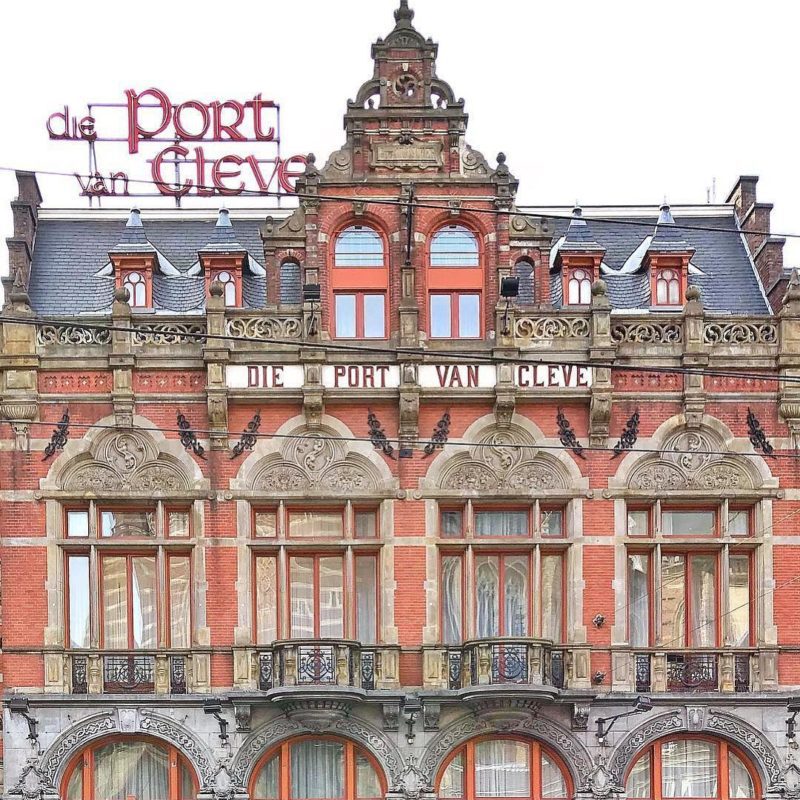
This historic hotel in Amsterdam was the first building to be lit with electricity.
Known locally as "the pregnant oyster," this center for the arts was a gift from the US to Berlin in 1957.
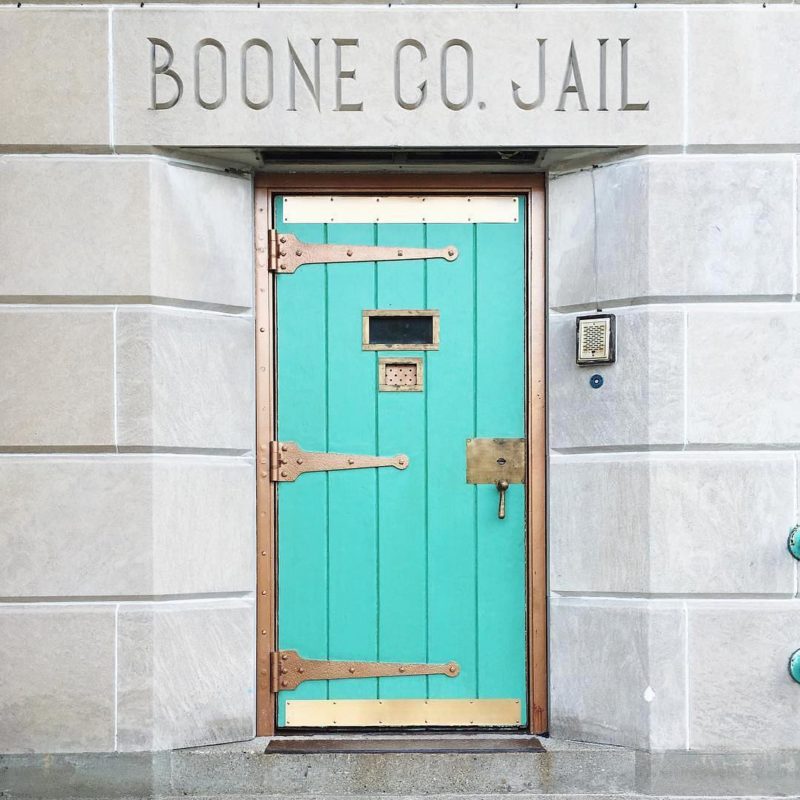
Built in 1832 during the establishment of the county seat, this historic jail recently spent a little time as a restaurant.
The Luvaria Ulisses glove shop has been creating custom gloves within its 4-square-meter store for more than a century.
From the CommunityMax file size is 40MB. JPEGs are preferred.
You do not have permission to view this form.