Login
 login / signup








Montevideo, Uruguay
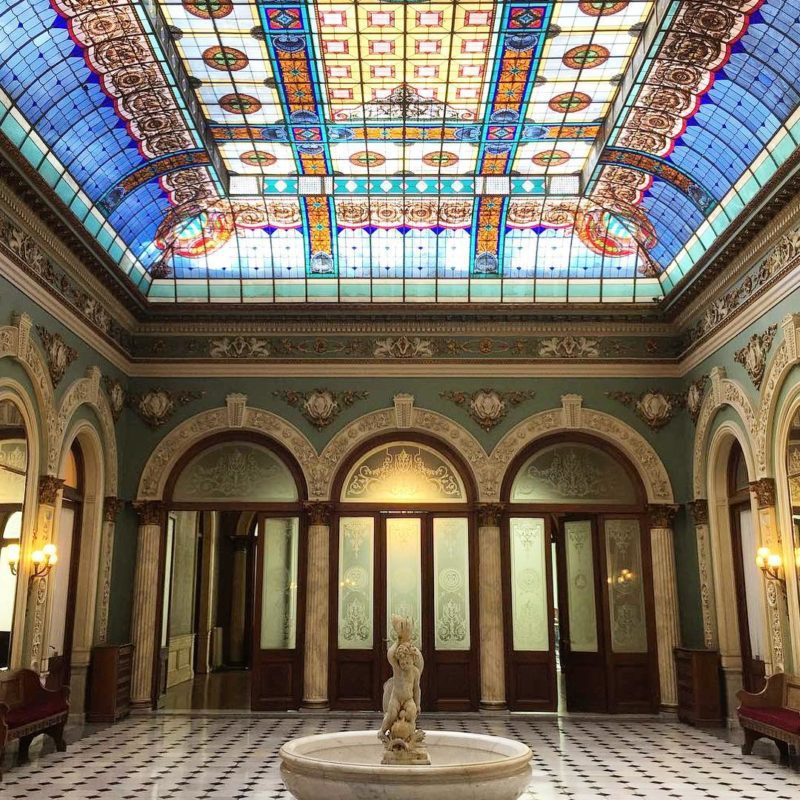
Palacio Santos
Built in 1855 as the official residence of the president of Uruguay, this palace featured underground tunnels that allowed for secret escapes.






Montevideo, Uruguay | C.1930

Partner

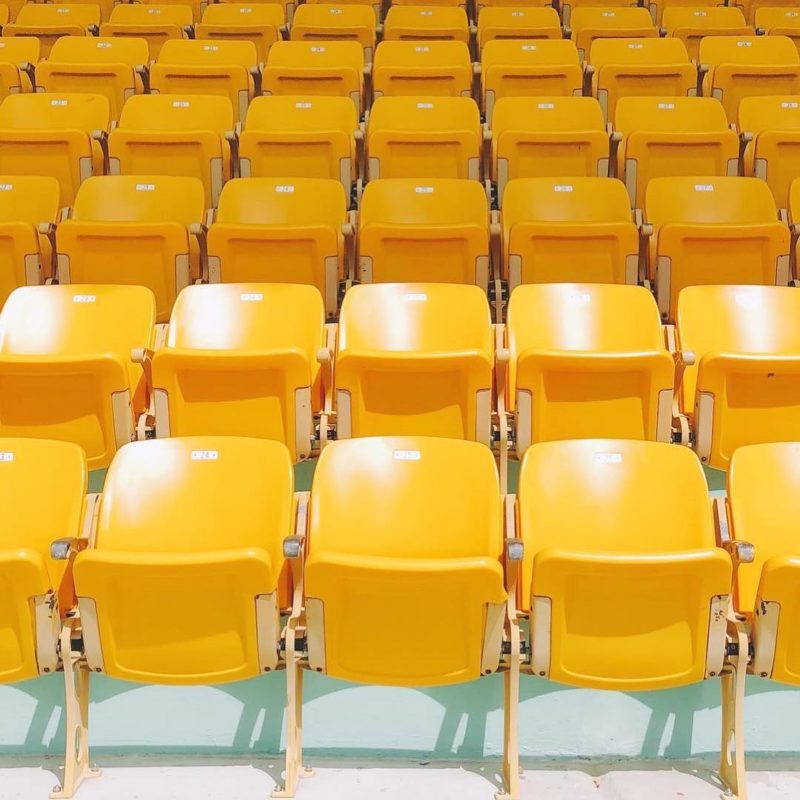
FIFA declared Estadio Centenario a “Historical Monument of World Football” in 1983, a distinction no other stadium has yet earned. Its history makes the honor easy to understand.
When Uruguay was selected to host the first-ever World Cup in 1930, Montevideo was tasked with constructing a stadium worthy of a tournament that had never been attempted before. Construction started in February for a tournament scheduled to begin in July. Five months to build a stadium for the first World Cup, what could go wrong? Weather delays, as it turned out, delayed the extremely tight construction timeline, and the first World Cup matches were played in other stadiums in Montevideo while the stadium raced to completion.
The Centenario opened just in time for Uruguay’s first World Cup match and hosted all of the host country’s group-stage victories. Uruguay came from behind to defeat Argentina 4-2 in the final, claiming the first-ever World Cup in front of a reported 93,000 fans at the Centenario. But the 1930 World Cup was just the beginning. At Estadio Centenario, Uruguay has won four Copa América titles, the 1981 Mundialito, countless friendlies, and, Uruguayans hope, a match in the next World Cup.
In 2030, the stadium and tournament will celebrate their 100th anniversary at a building very aptly named Estadio Centenario. Spain, Portugal, and Morocco will be the main hosts, but the opening match of the tournament will be played with team Uruguay at the Centenario. A century later, the biggest sporting event in the world will return to the pitch that began it all.
 -34.89363, -56.15154
Built in 1855 as the official residence of the president of Uruguay, this palace featured underground tunnels that allowed for secret escapes.
Montevideo’s historic theater, opened in 1856 after surviving the Guerra Grande and Siege of Montevideo.
AWA visted here
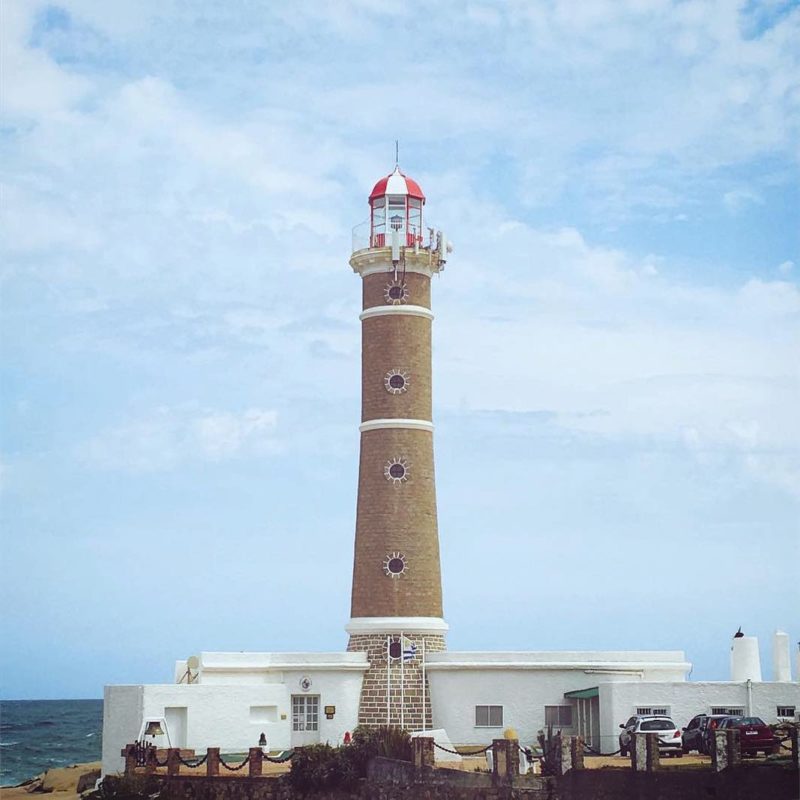
The Jose Ignacio Lighthouse in coastal Uruguay is a main attraction in this newly popular resort.
This historic Scottish football stadium underwent major renovations following not just one, but two fatal disasters.
AWA visted here
Queenstown was Singapore’s first “satellite town,” founded during the colonial period by the British in honor of Queen Elizabeth II’s coronation.
From the CommunityThis family-owned hotel in England doubles as a museum, showcasing objects collected from visitors and owners alike throughout its century-long history.
Max file size is 40MB. JPEGs are preferred.
You do not have permission to view this form.