Login
 login / signup










Amsterdam, Netherlands
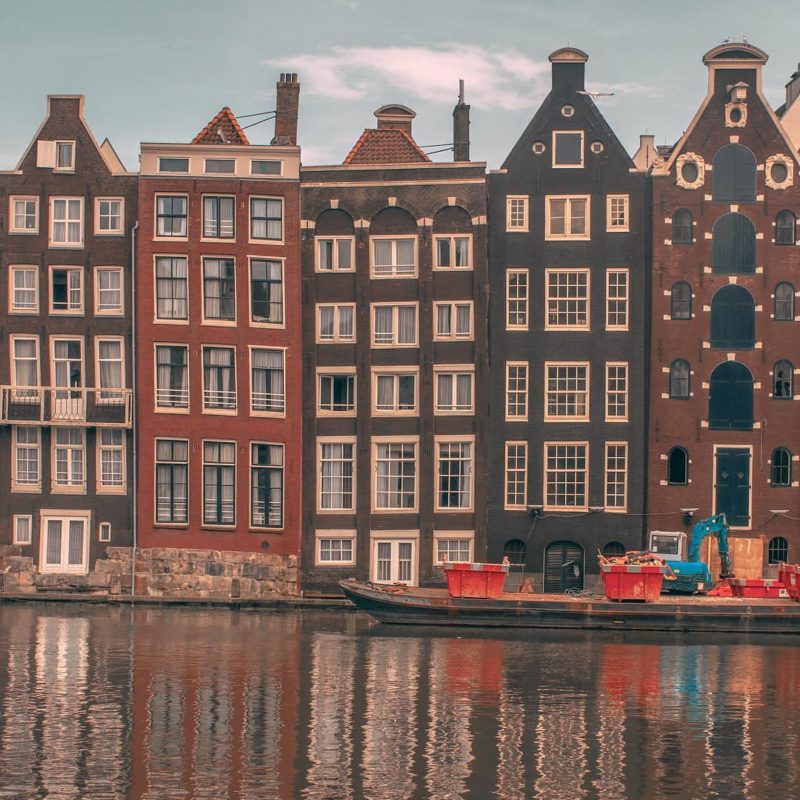
Canal Houses
These 17th century townhouses, iconic in Amsterdam's inner urban center, are nicknamed "dancing houses" for the way they have shifted and settled over time.





Amsterdam, Netherlands | C.1865

When Jan Daniël Posthumus opened his stamp and engraving workshop in 1865, the shop that now bears his name was still decades away. It eventually settled on Sint Luciënsteeg, where an oversized arm gripping a stamp hangs outside the door as a calling card. By 1920, the business had earned the title ‘Royal’ and became a supplier to Queen Wilhelmina’s court. Today, the shop still cuts custom stamps in its atelier and houses one of Europe’s largest collections of hobby stamps, alongside made-to-order stamps for chocolate, ceramics, and even ice cubes.
Posthumus started out in the Halsteeg, moved to Damstraat in 1867, and handed the business to his sons Willem and Louis in 1903. Around that time the brothers relocated to Sint Luciënsteeg 25, where a small shop grew up around the stamp factory and engraving workshop to sell what they made. The royal connection came through the stables: in 1920 the brothers received Queen Wilhelmina’s warrant board after engraving the royal arms onto the silver fittings of the royal horses’ harnesses. In 1939 the business split in two. The factory was sold to its director, Johan van der Plaats, and continues today as Koninklijke Fabrieken Posthumus, while the shop carried on independently as De Posthumuswinkel, run since 2005 by Peter Breurken and his wife Nathalie. Visitors still step over a granito doorstep inlaid with the founder’s intertwined initials, DP, past windows on either side of a deep entrance, and up the short staircases that connect two buildings belonging to the Amsterdam Museum complex. Inside, the “Famous Wall of Wax” holds ready-made seals in symbols and single initials. The factory kept the royal title. The shop kept the board above the door.
Partner


These 17th century townhouses, iconic in Amsterdam's inner urban center, are nicknamed "dancing houses" for the way they have shifted and settled over time.
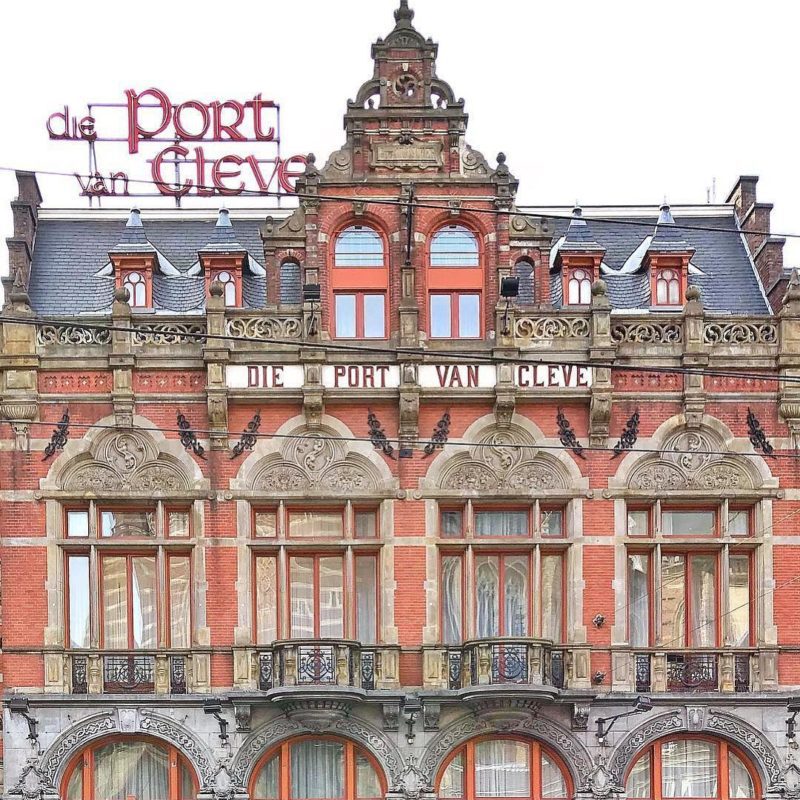
This historic hotel in Amsterdam was the first building to be lit with electricity.
This research library is a Renaissance and Gothic-style dream with one of the world's largest art history collections, including masterpieces by Rembrandt and Vermeer.
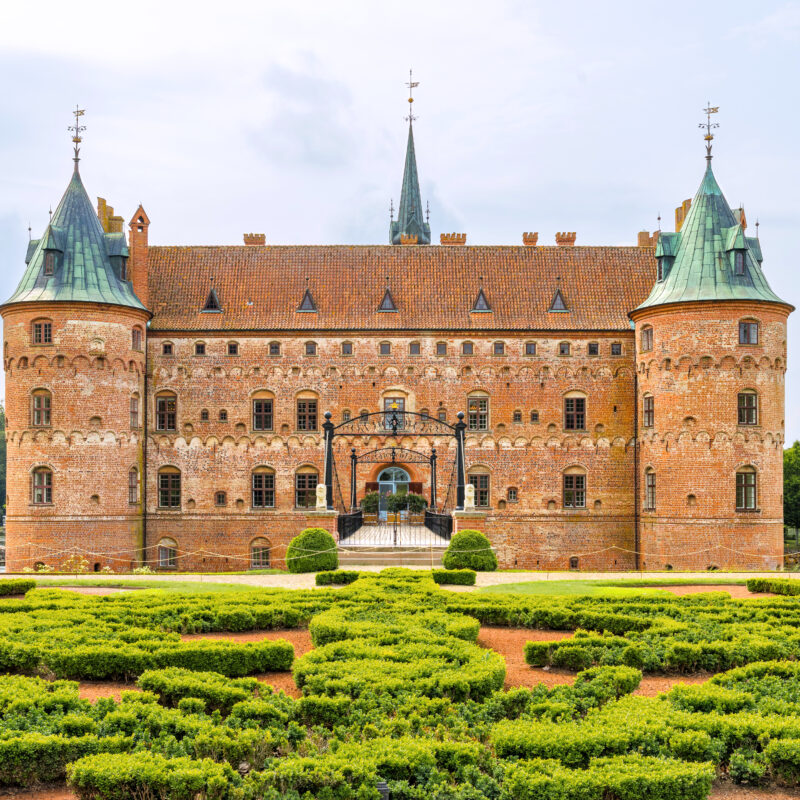
From the CommunityThis floating castle appears to be from an enchanted fable, but in actuality it is Europe's best preserved Renaissance water castle.
AWA visted here
This resilient theater has weathered two destructive fires, and continues to be one of the most important cultural centers throughout Spain.
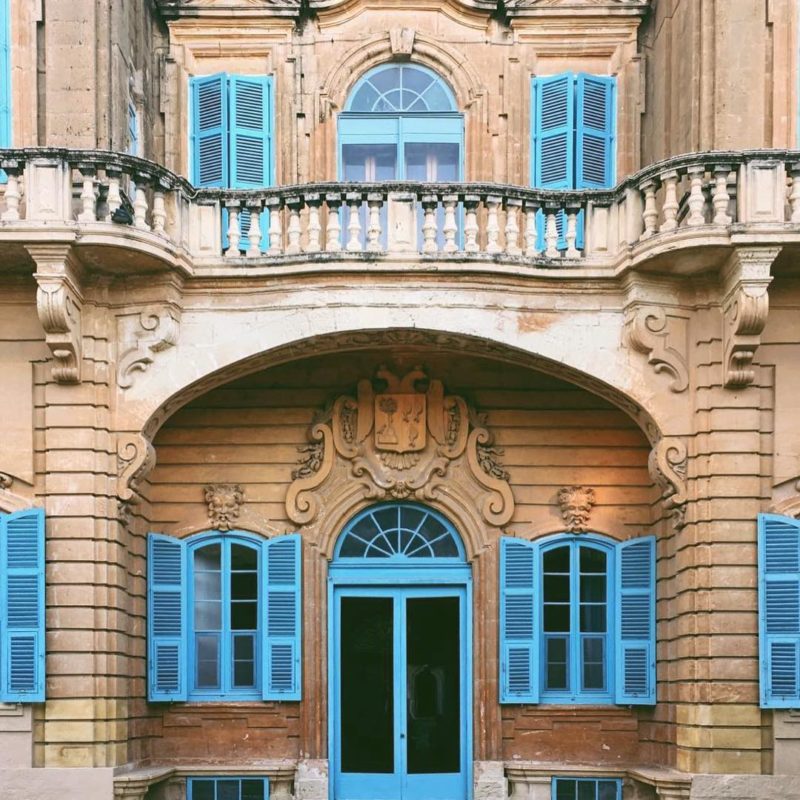
Uditore Fabrizio Grech would say this 1745 country house was built for his daughter, but it was in fact constructed to silence critics of his wealth.
Max file size is 40MB. JPEGs are preferred.
You do not have permission to view this form.