Login
 login / signup













Dublin, Ireland
7 Thomas Court
Houses originally built to house Guinness (beer) workers in the late 19th century in a former industrial area of Dublin, Ireland.






Dublin, Ireland | C.1958

Herbert Simms built 17,000 homes for Dublin’s working class between 1932 and 1948, blocks of flats that transformed the city’s worst slums into modernist landmarks. Along the reclaimed marshlands of Clontarf, he set the template with bathing shelters in 1934. Eight concrete shelters with round openings that peer out like eyes across Dublin Bay followed in the 1950s, built in his style after his death. Built to shield promenaders from the southeasterly gales that had plagued the area for centuries, these modernist sentinels still earn their keep in a squall.
Simms never saw the finished promenade. He died in 1948, worn down by a housing crisis he’d spent sixteen years trying to outbuild, and the shoreline he’d started shaping in Clontarf wasn’t reclaimed from the sea in full until a decade later. Whoever picked up the blueprint kept faith with his instincts: unadorned concrete, round apertures cut for both shelter and view, benches built into the walls rather than added to them. The result is a stretch of coast that reads as a single architectural thought, even though the man credited with it was gone before most of it existed, which may be the closest thing Dublin has to a building outliving its own architect on purpose.
Partner


Houses originally built to house Guinness (beer) workers in the late 19th century in a former industrial area of Dublin, Ireland.
This Irish lighthouse was the last of its kind - a manually operated light was in place until 1996, and the final light keeper left the post soon after.
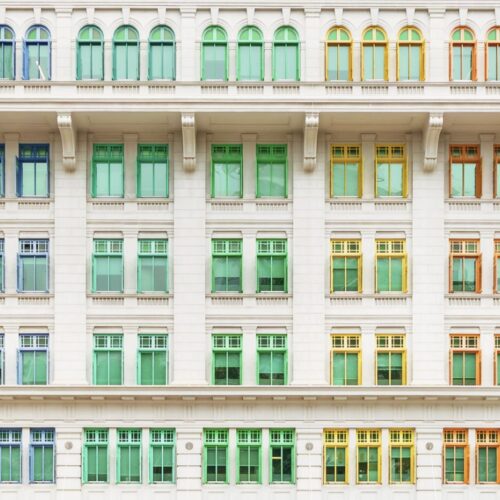
Behind the blue doors of a grand 18th century mansion visitors will find an Irish art museum with a renowned collection of French paintings.
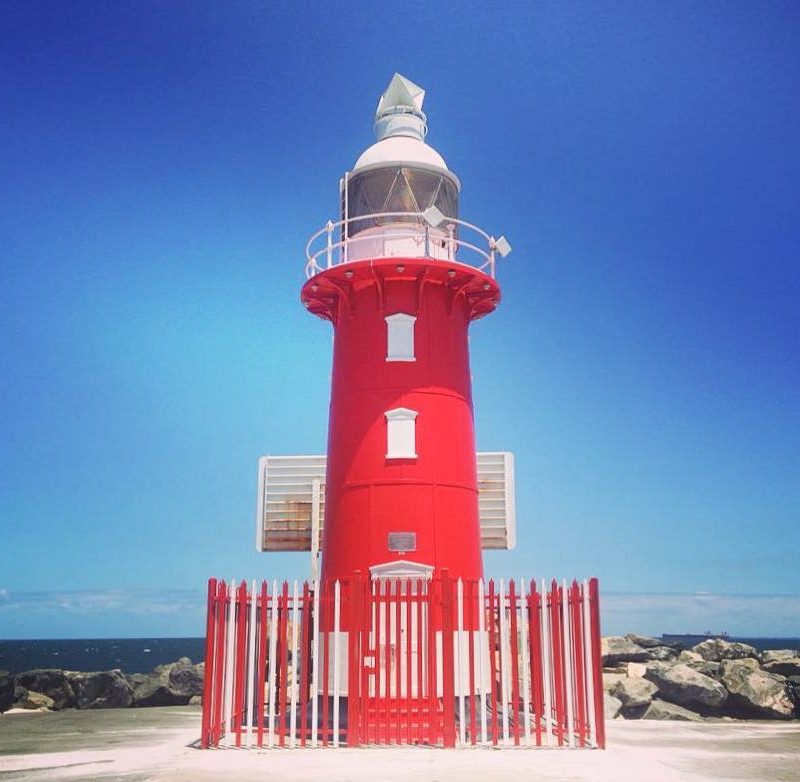
The North Mole Lighthouse is one of a pair of "twin" lighthouses found at the entrance to Fremantle Harbour in Western Australia.
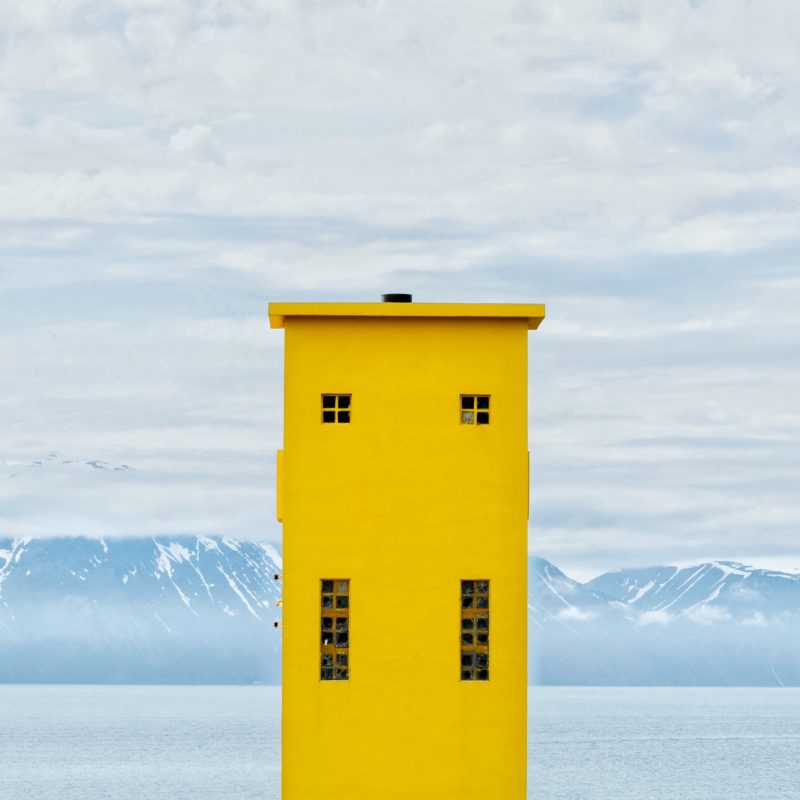
This semicircular-cylindrical light house guards a fishing village in Iceland.
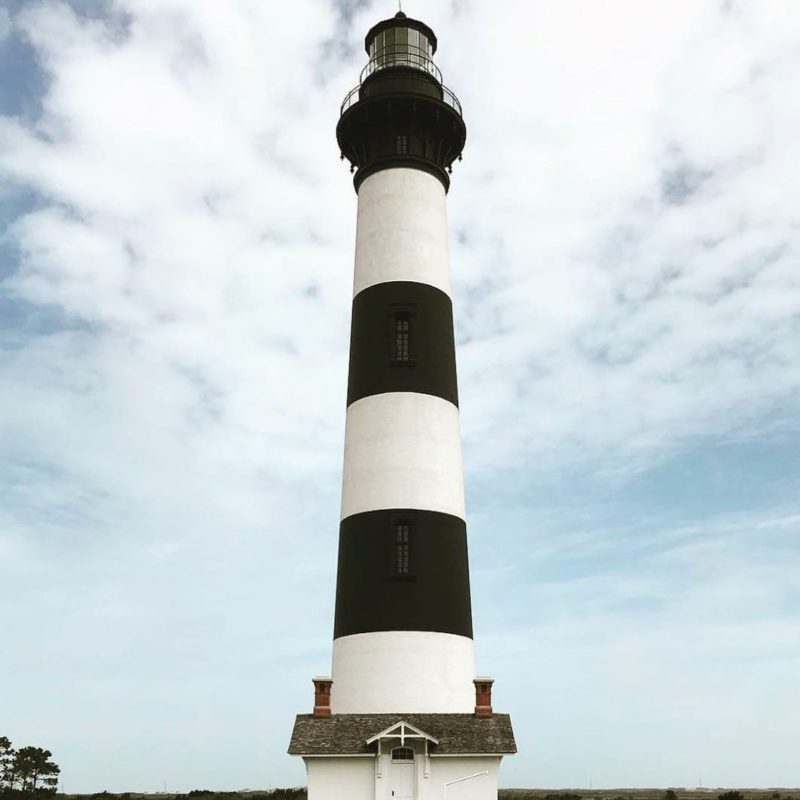
The 170-foot structure is one of only a dozen remaining tall, brick tower lighthouses in the United States.
AWA visted hereMax file size is 40MB. JPEGs are preferred.
You do not have permission to view this form.